
What is Cloud Computing Switzerland? Your Ultimate Guide

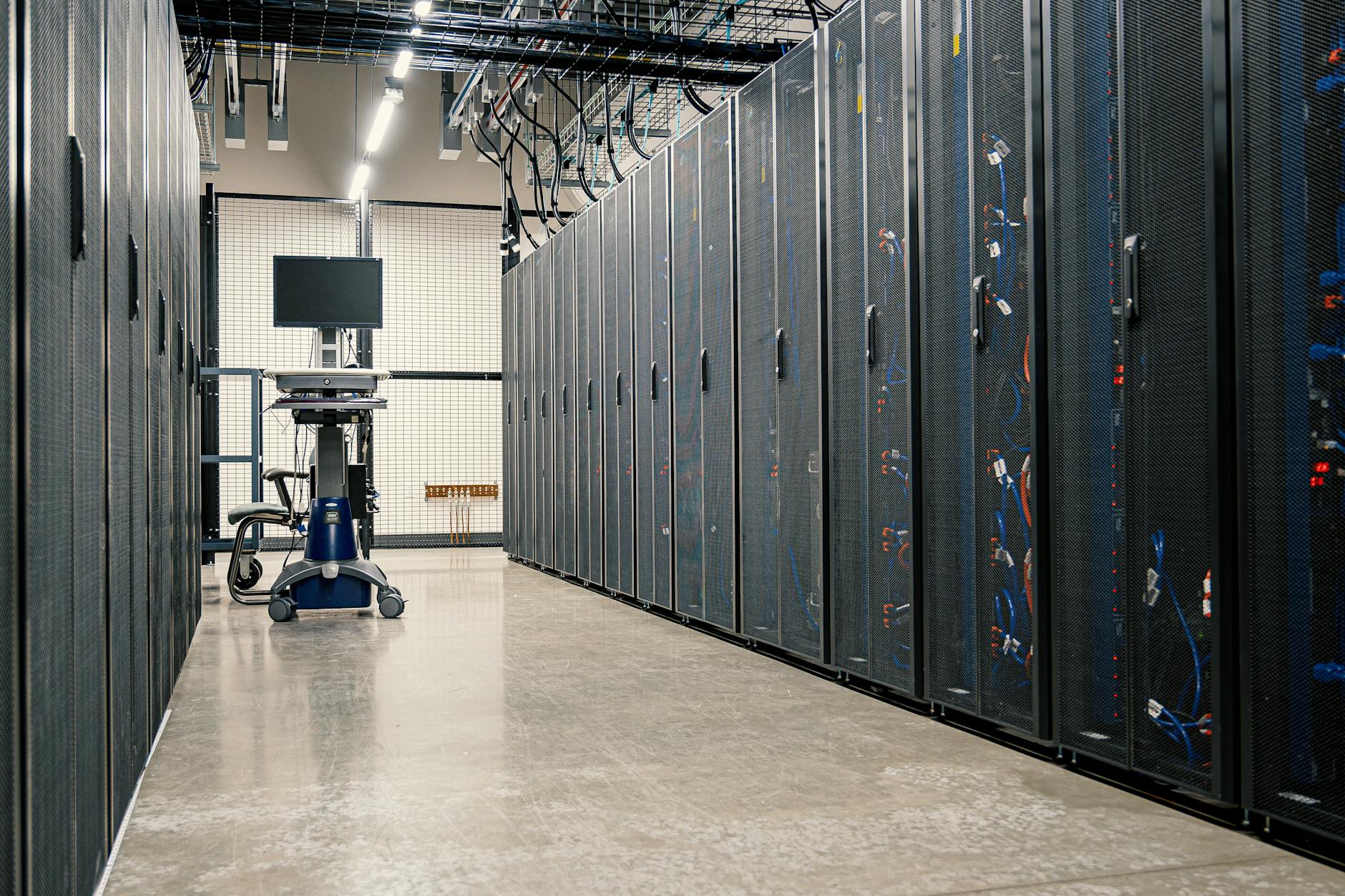
Steel framework cabinets housing servers networking devices and cables in contemporary equipped data centerPhoto: Brett Sayles / Pexels

What is Cloud Computing Switzerland? Your Ultimate Guide

Unlock the power of the cloud with Switzerland's unparalleled data privacy, security, and innovative infrastructure.

Explore Swiss Cloud Solutions

Key Takeaways

  • ✓ Switzerland offers stringent data protection laws (FADP) for cloud computing.
  • ✓ Swiss cloud providers prioritize security, often using ISO 27001 certified data centers.
  • ✓ Data sovereignty is a key advantage, meaning data remains within Swiss borders.
  • ✓ A growing number of local and international cloud providers operate in Switzerland.

How It Works

1
Data Storage & Processing

Your data and applications are stored and processed on secure servers located in Swiss data centers. This ensures compliance with local regulations and high availability.

2
Access via Internet

Users access these resources over the internet, typically through a web browser or dedicated application. This allows for flexible work from any location with an internet connection.

3
Resource Allocation

Cloud providers dynamically allocate computing resources (CPU, RAM, storage) based on demand. This scalability means you only pay for what you use, optimizing costs and performance.

4
Security & Compliance

Swiss cloud providers implement advanced security measures and adhere to strict data protection laws. This guarantees the confidentiality, integrity, and availability of your information.

Understanding Cloud Computing in the Swiss Context

Cloud computing, at its core, refers to the delivery of on-demand computing services—including servers, storage, databases, networking, software, analytics, and intelligence—over the Internet (“the cloud”). Instead of owning your own computing infrastructure or data centers, you can access these services from a cloud provider. In Switzerland, this concept takes on a unique and highly advantageous dimension, primarily due to the country's robust legal framework, political neutrality, and advanced technological infrastructure. When we talk about what is cloud computing Switzerland, we're not just discussing a technical solution; we're referring to a highly secure, compliant, and reliable environment for digital operations. The Swiss Federal Act on Data Protection (FADP) stands as one of the most stringent data protection laws globally, often compared to the EU's GDPR. For businesses and individuals concerned about data privacy, operating within Swiss cloud infrastructure provides an unparalleled level of assurance. This legal backbone ensures that personal data is handled with the utmost care, requiring explicit consent for processing, guaranteeing data subject rights, and imposing strict conditions on cross-border data transfers. This means that data stored in Swiss data centers is protected by laws that are designed to safeguard privacy, making it an attractive option for industries with sensitive information, such as finance, healthcare, and legal services. The implications of FADP extend beyond mere compliance; they foster a culture of data stewardship among Swiss cloud providers, leading to higher security standards and transparency. Furthermore, Switzerland's political stability and economic strength contribute significantly to the appeal of its cloud landscape. Unlike some other jurisdictions, Switzerland has historically maintained a neutral stance in international affairs, which translates into a predictable and secure environment for data storage. This neutrality minimizes the risk of data being subjected to foreign government access requests or political interference, a critical consideration for multinational corporations and organizations dealing with sensitive intellectual property. The country's strong economy also supports continuous investment in cutting-edge data center technology and infrastructure, ensuring high performance, reliability, and low latency for cloud services. This commitment to excellence ensures that technology solutions are always at the forefront. Swiss cloud infrastructure itself is characterized by state-of-the-art facilities, often built into mountain bunkers or underground, offering physical security against various threats, including natural disasters and cyber-attacks. These data centers typically boast redundant power supplies, advanced cooling systems, and multiple network connections, ensuring maximum uptime and data availability. For any organization looking to leverage the benefits of cloud computing—scalability, cost-efficiency, and flexibility—without compromising on security and data integrity, understanding what is cloud computing Switzerland is the first step towards a highly strategic decision. The combination of legal protection, political stability, and physical security creates a unique value proposition that differentiates Switzerland in the global cloud market.

Key Benefits and Advantages of Swiss Cloud Solutions

The decision to adopt cloud computing is often driven by the promise of agility, scalability, and cost savings. However, when businesses choose cloud computing in Switzerland, they gain a distinct set of advantages that go far beyond these universal benefits, primarily centered around data protection, security, and sovereignty. These factors are increasingly becoming non-negotiable for enterprises operating in regulated industries or handling highly sensitive information. Understanding these specific benefits is crucial for any organization evaluating what is cloud computing Switzerland and whether it aligns with their strategic objectives. One of the most compelling advantages is Switzerland's renowned data sovereignty. Unlike many other countries, Swiss law generally prohibits the forced disclosure of data to foreign governments without a valid Swiss court order, even if the data belongs to a foreign entity. This provides an exceptional layer of protection against surveillance and data access requests from other nations, such as those under the U.S. CLOUD Act or Patriot Act. For companies concerned about maintaining control over their data and avoiding extraterritorial legal challenges, storing data within Swiss borders offers significant peace of mind. This legal framework ensures that your data remains under Swiss jurisdiction, making it an ideal choice for businesses with strict compliance requirements. Beyond legal frameworks, Swiss cloud providers are celebrated for their uncompromising approach to security. Data centers in Switzerland are not only physically robust, often built with military-grade protection and biometric access controls, but they also adhere to some of the highest cybersecurity standards globally. Many providers are ISO 27001 certified, demonstrating a commitment to systematic management of information security risks. They employ advanced encryption techniques, multi-factor authentication, intrusion detection systems, and regular security audits to protect data from cyber threats. This holistic approach to security, encompassing both physical and digital safeguards, is a cornerstone of what is cloud computing Switzerland, ensuring that your critical assets are protected against unauthorized access, data breaches, and other malicious activities. Furthermore, the quality of infrastructure and connectivity in Switzerland is world-class. The country boasts an incredibly stable and high-speed internet infrastructure, facilitating seamless access to cloud services. Data centers are often strategically located to minimize latency for users across Europe and beyond, ensuring optimal performance for applications and services hosted in the cloud. This robust connectivity, combined with redundant systems and backup solutions, guarantees high availability and disaster recovery capabilities, minimizing downtime and ensuring business continuity. The Swiss emphasis on engineering excellence extends to its digital infrastructure, providing a reliable foundation for all cloud operations. This level of infrastructural quality translates directly into enhanced user experience and operational efficiency for businesses leveraging Swiss cloud solutions. The local talent pool also contributes to this advantage, with a strong focus on cybersecurity and data management expertise.

Choosing the Right Swiss Cloud Provider and Deployment Model

Navigating the landscape of cloud providers and deployment models can be complex, but understanding the nuances is critical to harnessing the full potential of what is cloud computing Switzerland. The choice of provider and model will significantly impact your data's security, compliance, performance, and cost-efficiency. Switzerland hosts a diverse range of cloud service providers, from global giants with local presences to specialized Swiss-only companies, each offering unique strengths tailored to different business needs. Making an informed decision requires careful consideration of several factors, including regulatory compliance, data residency requirements, service level agreements (SLAs), and the specific features offered. When selecting a Swiss cloud provider, the first step is to assess your organizational needs regarding data residency and compliance. If your business operates in a highly regulated sector like finance or healthcare, or if you handle sensitive personal data, a provider that guarantees data storage exclusively within Switzerland under Swiss law is paramount. Many Swiss providers explicitly state their commitment to FADP and other relevant regulations, offering transparent policies on data location and access. It's also important to scrutinize their security certifications (e.g., ISO 27001, FINMA compliance for financial institutions) and their incident response protocols. A robust SLA should clearly define uptime guarantees, performance metrics, and support response times, ensuring that your business operations remain uninterrupted. Furthermore, consider the provider's track record and customer reviews to gauge their reliability and service quality. This due diligence is essential for ensuring your digital transformation is successful. Regarding deployment models, cloud computing in Switzerland offers the standard options: Public Cloud, Private Cloud, and Hybrid Cloud, each with distinct advantages. The Public Cloud involves services delivered over the public internet, shared among multiple tenants, offering maximum scalability and cost-effectiveness. While some global public cloud providers have Swiss regions, ensuring data remains within Switzerland, it's crucial to verify their specific data residency policies. For organizations demanding greater control, dedicated resources, and enhanced security, a Private Cloud solution hosted in a Swiss data center might be more suitable. This can be managed by the organization itself or by a third-party provider, offering a dedicated infrastructure. The Hybrid Cloud model combines elements of both public and private clouds, allowing businesses to leverage the scalability of the public cloud for less sensitive workloads while keeping critical data and applications in a private, Swiss-based environment. This flexibility is often ideal for businesses with varying data sensitivity levels and dynamic computing needs. Furthermore, consider the types of services offered: Infrastructure as a Service (IaaS), Platform as a Service (PaaS), and Software as a Service (SaaS). IaaS provides fundamental computing resources—virtual machines, storage, networks—giving you the most control. PaaS offers a platform for developing, running, and managing applications without the complexity of building and maintaining the underlying infrastructure. SaaS delivers ready-to-use applications over the internet. Many Swiss providers offer a combination of these, allowing businesses to tailor their cloud strategy precisely to their operational requirements. Evaluating these options carefully, in conjunction with your specific compliance and security needs, will ensure you make the most informed decision when navigating what is cloud computing Switzerland.

Challenges and Best Practices for Adopting Swiss Cloud

While the advantages of what is cloud computing Switzerland are substantial, organizations considering this path should also be aware of potential challenges and adopt best practices to ensure a smooth and successful transition. Understanding these aspects upfront can help mitigate risks, optimize performance, and maximize the return on investment from your Swiss cloud strategy. The complexities often lie in initial migration, cost management, and ensuring continuous compliance. One common challenge is the initial migration of existing data and applications to a new cloud environment. This process can be complex, time-consuming, and resource-intensive, particularly for legacy systems or large datasets. Proper planning, including a thorough assessment of your current IT infrastructure, data dependencies, and application architecture, is crucial. It's advisable to start with a pilot project or less critical workloads to gain experience before migrating core systems. Engaging with cloud migration specialists or leveraging tools provided by your chosen Swiss cloud provider can significantly streamline this process. Furthermore, ensuring data integrity and minimizing downtime during migration requires meticulous execution and robust backup strategies. Organizations must also consider network bandwidth requirements for large data transfers, which can be a bottleneck if not adequately planned. Another consideration is cost management. While cloud computing can offer significant cost savings through its pay-as-you-go model, without proper governance, expenses can escalate. This is often due to over-provisioning resources, neglecting to decommission unused services, or failing to optimize for cost-effective storage tiers. Best practices include implementing robust cost monitoring and reporting tools, setting budget alerts, and regularly reviewing resource utilization. Many Swiss cloud providers offer detailed billing dashboards and cost optimization services to help clients manage their expenditures effectively. Training staff on cloud financial management (FinOps) principles can also empower teams to make cost-conscious decisions, ensuring that the economic benefits of what is cloud computing Switzerland are fully realized. Ensuring ongoing compliance and data governance is paramount. While Swiss law provides a strong foundation, organizations are still responsible for their data and its handling. This includes establishing internal policies that align with FADP, GDPR, and any industry-specific regulations, performing regular data audits, and maintaining clear documentation of data flows and processing activities. It's also vital to understand the shared responsibility model in cloud computing, where the cloud provider secures the infrastructure, but the customer is responsible for securing their data within that infrastructure. This means configuring security settings correctly, managing access controls, encrypting sensitive data, and implementing robust identity and access management (IAM) solutions. Regular security awareness training for employees is also essential to prevent human error, which remains a leading cause of data breaches. By proactively addressing these challenges and adhering to best practices, businesses can fully leverage the advanced security and compliance advantages offered by Swiss cloud solutions. Here's a list of best practices for adopting Swiss Cloud: * **Comprehensive Migration Strategy:** Plan meticulously, start small, and consider professional assistance. * **Cost Optimization:** Monitor usage, set budgets, and leverage FinOps principles. * **Continuous Compliance:** Implement internal policies, conduct audits, and understand shared responsibility. * **Robust Security Configuration:** Configure security settings correctly, manage access, and encrypt data. * **Employee Training:** Educate staff on cloud security and data protection best practices. * **Vendor Due Diligence:** Thoroughly evaluate providers based on certifications, SLAs, and track record. * **Disaster Recovery Planning:** Ensure your DR strategy aligns with the provider's capabilities and your RTO/RPO objectives.

Comparison

FeatureSwiss Cloud Provider (e.g., Swisscom, Infomaniak)Global Hyperscaler (non-Swiss region)On-Premise Infrastructure
Data SovereigntyGuaranteed Swiss jurisdictionSubject to foreign laws (e.g., CLOUD Act)Full control by organization
Data Protection LawsFADP (very strong)GDPR (strong, but varies by region)Internal policies, local laws
Physical SecurityOften military-grade, underground bunkersHigh, but location variesDepends on organizational investment
Cost PredictabilityGood, often transparent pricingCan be complex, egress feesHigh initial CAPEX, predictable OPEX
ScalabilityExcellentExcellentLimited, high lead time
Compliance Support✓ (FADP, FINMA)✓ (GDPR, HIPAA, etc., but local laws differ)✗ (internal effort)

What Our Readers Say

5 ★★★★★

"For our fintech startup, understanding what is cloud computing Switzerland was critical. We chose a local provider for unparalleled data privacy and compliance. It gives us immense peace of mind."

5 ★★★★★

"Our healthcare company relies on Swiss cloud solutions for sensitive patient data. The robust security and FADP compliance are non-negotiable for us, and the performance has been outstanding."

5 ★★★★★

"Migrating our enterprise resource planning to a Swiss cloud provider significantly improved our operational efficiency. We reduced IT costs by 20% while enhancing our data security posture, a direct result of embracing what is cloud computing Switzerland."

4 ★★★★☆

"The security and data sovereignty of Swiss cloud are excellent. While the initial setup for our specific needs was a bit intricate, the long-term benefits for compliance and reliability are clear."

5 ★★★★★

"As a legal firm, data confidentiality is paramount. What is cloud computing Switzerland offered us a solution that met our stringent legal requirements, allowing us to focus on our clients without worrying about data breaches."

Frequently Asked Questions

What makes cloud computing in Switzerland so secure?
Cloud computing in Switzerland is highly secure due to a combination of factors: stringent data protection laws like the FADP, state-of-the-art physical data center security (often underground or in bunkers), political neutrality minimizing foreign access risks, and providers adhering to global cybersecurity standards like ISO 27001. This creates a highly protected environment for data.
Is Swiss cloud computing more expensive than other regions?
While some specialized Swiss cloud services might have a premium due to the high security and compliance overhead, many providers offer competitive pricing, especially when considering the total cost of ownership which includes reduced compliance risks and enhanced data protection. The value often outweighs the cost for businesses prioritizing security and data sovereignty.
How can I ensure my data stays within Switzerland?
To ensure your data stays within Switzerland, choose a cloud provider that explicitly guarantees data residency in Swiss data centers. Review their terms of service, data processing agreements, and inquire about their data storage policies. Many Swiss-based providers make this a core part of their offering to comply with FADP.
What are the common pricing models for Swiss cloud services?
Common pricing models for Swiss cloud services include pay-as-you-go (utility-based), subscription-based for fixed resources, and hybrid models. Costs are typically based on factors like storage volume, compute resources (CPU/RAM), data transfer (egress/ingress), and specific services utilized. Many providers offer transparent pricing structures and calculators.
How does Swiss cloud computing compare to EU GDPR compliance?
The Swiss FADP is often considered on par with, or even stricter than, the EU's GDPR in certain aspects, particularly regarding data transfers outside Switzerland. While both aim for high data protection, Swiss cloud offers the added benefit of data sovereignty under Swiss law, providing an extra layer of protection against foreign government data requests.
Who should consider using cloud computing in Switzerland?
Organizations dealing with highly sensitive data (e.g., financial, healthcare, legal), businesses requiring stringent compliance with data protection laws, multinational corporations seeking a neutral and secure data hub, and any entity prioritizing data sovereignty and resilience should consider cloud computing in Switzerland.
What are the risks of not using a Swiss cloud for sensitive data?
Not using a Swiss cloud for sensitive data can expose organizations to risks such as vulnerability to foreign data access laws (e.g., CLOUD Act), potential non-compliance with FADP or other regulations, increased risk of data breaches due to less stringent security standards, and reputational damage from data privacy incidents.
What are the future trends for cloud computing in Switzerland?
Future trends for cloud computing in Switzerland include continued growth in local hyperscaler regions, increased adoption of AI and machine learning services within a secure Swiss framework, greater emphasis on sustainable and green data centers, and the development of specialized industry-specific cloud solutions (e.g., for MedTech, FinTech) leveraging Swiss expertise and compliance.

Ready to secure your digital future? Explore the unparalleled advantages of what is cloud computing Switzerland today. Contact a leading Swiss cloud provider to tailor a solution that meets your unique security, compliance, and performance needs.

Topics: cloud computing switzerlandswiss cloud providersdata sovereignty switzerlandcloud security switzerlandswiss data centers
Leo List
Brampton weed
Adultwork