What is 5G Technology Switzerland? Your Ultimate Guide

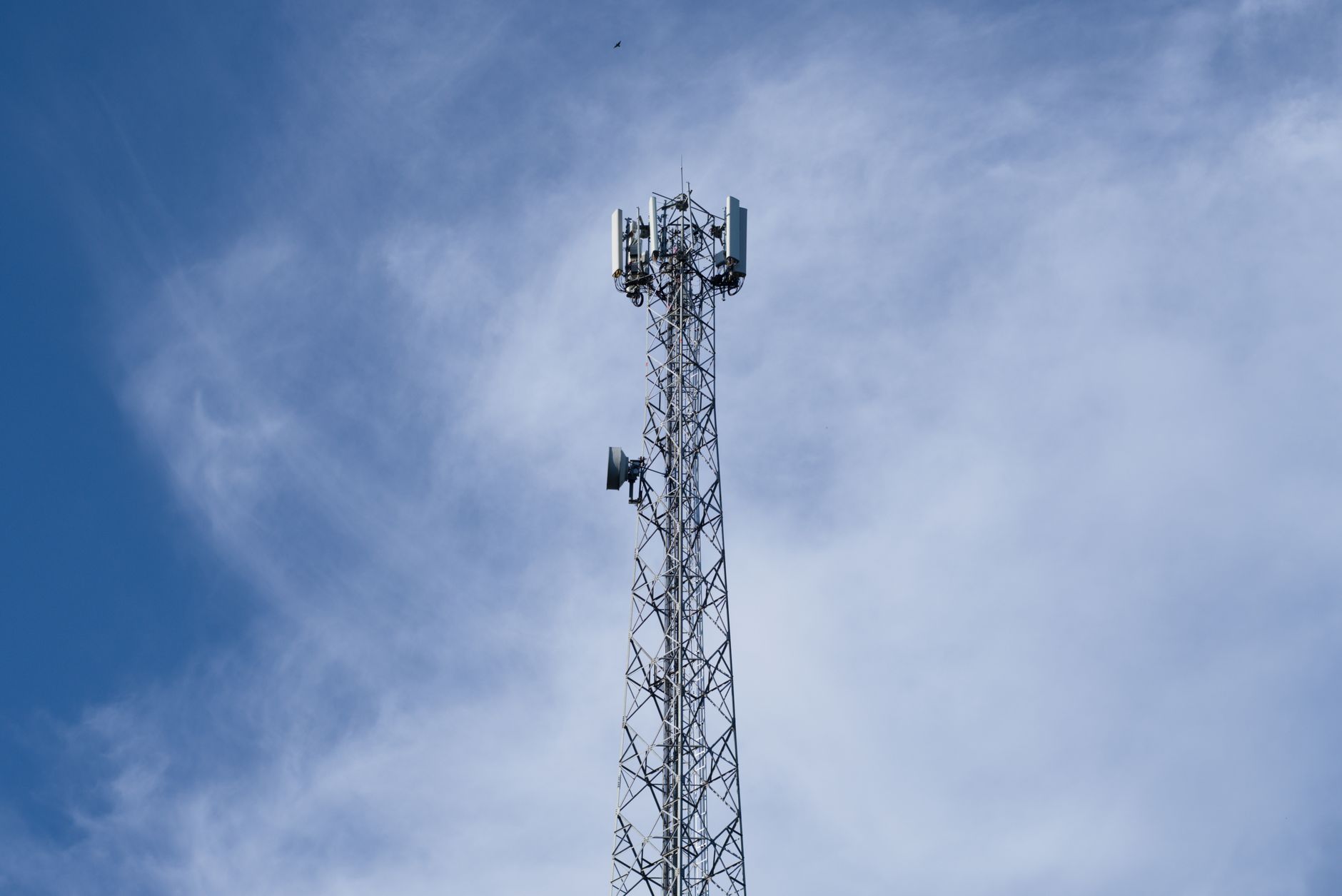
A tall metal communications tower stands against a backdrop of a clear blue sky with scattered clouds.Photo: Qeis Ismail / Pexels

What is 5G Technology Switzerland? Your Ultimate Guide

Explore how 5G is transforming connectivity and innovation across Switzerland, offering unprecedented speed and reliability.

Dive into the Future

Key Takeaways

  • ✓ Switzerland was among the first countries globally to launch commercial 5G networks.
  • ✓ 5G offers significantly faster speeds (up to 10 Gbps) and lower latency (under 1ms) compared to 4G.
  • ✓ Major Swiss operators (Swisscom, Sunrise, Salt) have extensively deployed 5G across the country.
  • ✓ Applications extend beyond smartphones to IoT, smart cities, autonomous vehicles, and remote healthcare.

How It Works

1
Enhanced Mobile Broadband (eMBB)

5G utilizes wider spectrum bands, including millimeter-wave (mmWave) and mid-band, to deliver exceptionally high data speeds and capacity. This allows for rapid downloads, seamless streaming, and an overall superior mobile internet experience.

2
Ultra-Reliable Low-Latency Communications (URLLC)

Achieving latencies under 1 millisecond, URLLC is critical for applications demanding instant response. This includes autonomous driving, remote surgery, industrial automation, and real-time control systems, where even a slight delay can have significant consequences.

3
Massive Machine-Type Communications (mMTC)

5G is designed to connect a vast number of devices simultaneously, supporting up to 1 million devices per square kilometer. This capability is fundamental for the Internet of Things (IoT), enabling smart cities, connected agriculture, and comprehensive sensor networks without network congestion.

4
Network Slicing and Edge Computing

Network slicing allows operators to create multiple virtual networks on a single physical infrastructure, tailored to specific application needs. Edge computing brings data processing closer to the source, further reducing latency and improving data security and efficiency for critical local applications.

The Foundation: Understanding the Core of 5G Technology in Switzerland

A tall metal communications tower stands against a backdrop of a clear blue sky with scattered clouds.Photo: Qeis Ismail / Pexels
To truly grasp what is 5G technology in Switzerland, it's essential to first understand its foundational principles and how it differs from its predecessors. 5G, or the fifth generation of wireless technology, isn't just a faster version of 4G; it's a paradigm shift in how we connect and interact with the digital world. At its core, 5G is built on three main pillars: Enhanced Mobile Broadband (eMBB), Ultra-Reliable Low-Latency Communications (URLLC), and Massive Machine-Type Communications (mMTC). These pillars collectively unlock a new era of possibilities, extending connectivity far beyond the traditional smartphone. eMBB is perhaps the most immediately noticeable benefit for the average user. It promises significantly higher data speeds, often quoted in gigabits per second (Gbps), allowing for near-instant downloads of large files, seamless 4K/8K video streaming, and an overall smoother mobile internet experience. In Switzerland, where digital adoption is high and demand for fast, reliable internet is paramount, eMBB is transforming how individuals consume content and conduct business on the go. Imagine downloading a full-length movie in seconds or participating in a video conference with crystal-clear quality, even in a crowded urban environment. This enhanced capacity is crucial for a country like Switzerland, known for its innovation and demand for high-quality infrastructure. URLLC is where 5G truly distinguishes itself for industrial and critical applications. With latency reduced to a mere millisecond (or even less), 5G enables real-time responsiveness that was previously unimaginable over wireless networks. This low latency is vital for applications such as autonomous vehicles, where split-second decisions can prevent accidents; remote surgery, where a surgeon in Zurich can operate on a patient miles away with no perceptible delay; and industrial automation, where robots can communicate and coordinate with unprecedented precision. Switzerland's advanced manufacturing sector and its commitment to digital transformation make URLLC a game-changer for its economy, fostering innovation in areas like Industry 4.0 and smart infrastructure. The Swiss Federal Railways (SBB), for instance, could leverage URLLC for more efficient train control systems, enhancing safety and punctuality. mMTC is the backbone of the Internet of Things (IoT) revolution. It allows for the connection of an enormous number of devices – up to a million devices per square kilometer – without overwhelming the network. This capability is critical for smart cities, connected agriculture, environmental monitoring, and a myriad of other applications where countless sensors and devices need to communicate efficiently and with minimal power consumption. In Switzerland, mMTC can facilitate smart energy grids, optimize agricultural yields through precision farming, and create more efficient public services. Think of sensors monitoring air quality in Geneva, smart waste bins in Bern, or connected livestock in rural areas, all communicating seamlessly over the 5G network. The robustness of this pillar supports Switzerland's ambition to be a leader in sustainable and intelligent urban and rural development. Furthermore, these core capabilities are supported by advanced technologies like Massive MIMO (Multiple-Input Multiple-Output), which uses multiple antennas to enhance capacity and spectral efficiency, and beamforming, which directs wireless signals precisely to user devices, reducing interference and improving signal quality. These innovations are fundamental to the performance and widespread adoption of 5G across the diverse Swiss landscape, from dense city centers to challenging mountainous regions. For more insights into the broader impact of advanced connectivity, explore the future of digital infrastructure.

The Swiss 5G Landscape: Rollout, Coverage, and Key Players

A tall metal communications tower stands against a backdrop of a clear blue sky with scattered clouds.Photo: Qeis Ismail / Pexels
Switzerland has been a frontrunner in the global 5G race, with its major telecommunication providers investing heavily in infrastructure development. The rollout of 5G technology in Switzerland began relatively early compared to many other European nations, demonstrating the country's commitment to technological advancement and maintaining its competitive edge. This proactive approach has resulted in extensive 5G coverage across a significant portion of the population and geographical area, albeit with ongoing expansion and optimization. Swisscom, Sunrise, and Salt are the primary players driving the 5G deployment in Switzerland. Swisscom, as the incumbent and largest provider, was among the first to launch commercial 5G services in 2019. Their strategy has focused on broad population coverage, utilizing both mid-band (3.5 GHz) and dynamic spectrum sharing (DSS) on existing 4G frequencies to accelerate deployment. This has allowed them to rapidly expand their 5G footprint, reaching a vast number of Swiss municipalities. Swisscom's extensive fiber optic backbone also plays a crucial role in supporting the high-capacity demands of 5G, ensuring robust backhaul for their base stations. Sunrise, another significant player, has also made substantial strides in its 5G rollout. They have emphasized delivering true 5G experiences, often focusing on higher frequency bands to offer superior speeds in urban centers and high-demand areas. Sunrise has been vocal about its efforts to provide comprehensive 5G coverage, even in more remote locations, leveraging a combination of new site builds and upgrades to existing infrastructure. Their competitive strategy often involves offering attractive bundles that highlight the benefits of 5G for both consumers and businesses. The competition between these providers has been a driving force behind the rapid deployment and innovation in the Swiss 5G market, pushing each operator to enhance their offerings and coverage. Salt, while a slightly smaller player, has also joined the 5G race, gradually expanding its network. Their approach often involves strategic partnerships and focusing on delivering value to their customer base through competitive pricing and targeted 5G services. The competitive landscape among these three operators ensures that Swiss consumers and businesses have access to a choice of 5G services, fostering innovation and competitive pricing. However, the rollout hasn't been without its challenges. Public concerns regarding potential health effects of electromagnetic radiation have led to some local resistance and stricter regulatory oversight in certain cantons. This has, at times, slowed down the deployment of new antennas, particularly those operating on higher frequency bands that require denser cell site placement. The Swiss government and industry have engaged in dialogues to address these concerns, providing transparent information and adhering to strict emission limits, which are among the most stringent globally. Despite these hurdles, the overall trajectory of 5G deployment in Switzerland remains positive, with continuous investment in expanding coverage and capacity. The commitment from operators to adhere to Swiss environmental and health regulations while pushing technological boundaries is a testament to the country's balanced approach to innovation.

Transformative Applications: How 5G is Shaping Industries and Daily Life in Switzerland

Scenic nighttime photo of Zürich skyline with illuminated train tracks and urban landscape.Photo: David Taljat / Pexels
The true impact of what is 5G technology in Switzerland extends far beyond faster smartphone downloads. Its advanced capabilities are poised to revolutionize various sectors, driving innovation, efficiency, and entirely new services. From smart cities to advanced healthcare, 5G is acting as a catalyst for digital transformation across the Swiss economy and society. One of the most significant areas of impact is in the realm of Smart Cities and Smart Infrastructure. 5G's ability to connect a massive number of sensors with low latency is fundamental to creating truly intelligent urban environments. In Swiss cities, this translates to optimized traffic management systems that adapt in real-time to congestion, smart public lighting that adjusts to pedestrian flow, and advanced waste management systems that empty bins only when full. Imagine sensors embedded in roads providing real-time data for autonomous vehicles, or drones powered by 5G monitoring infrastructure for maintenance needs. These applications promise to make Swiss cities more sustainable, efficient, and livable, enhancing the quality of life for residents and visitors alike. In the healthcare sector, 5G is opening doors to groundbreaking advancements. Ultra-reliable low-latency communications (URLLC) are critical for remote surgery, allowing specialists to operate on patients across vast distances with precision and safety. Telemedicine, already accelerated by recent global events, will become even more robust, enabling high-definition video consultations and real-time monitoring of vital signs from connected devices. This is particularly beneficial in Switzerland's mountainous regions, where access to specialized medical care can be challenging. Furthermore, 5G can facilitate the development of smart hospitals, where medical equipment, patient monitoring systems, and administrative functions are seamlessly integrated, improving operational efficiency and patient outcomes. The Swiss Federal Institute of Technology (ETH Zurich) is actively researching these applications, positioning Switzerland at the forefront of digital health innovation. Industry 4.0 and advanced manufacturing are also set to benefit immensely. Switzerland's strong industrial base, particularly in precision manufacturing and engineering, stands to gain from 5G-enabled automation. Low-latency communication allows for the precise control of robots and machinery on factory floors, enabling flexible production lines that can be reconfigured in real-time. Augmented Reality (AR) and Virtual Reality (VR) applications, powered by 5G's high bandwidth, can be used for remote maintenance, training, and quality control, reducing travel costs and improving efficiency. Predictive maintenance, where sensors on machines constantly monitor performance and predict potential failures, can prevent costly downtime, ensuring Swiss industries remain globally competitive. The ability to connect thousands of sensors within a factory without lag is a game-changer for optimizing complex industrial processes. Beyond these, 5G is also transforming entertainment and education. Enhanced Mobile Broadband (eMBB) makes immersive VR/AR experiences more accessible, from high-definition gaming to interactive educational content. Remote learning, especially for vocational training and higher education in Switzerland, can leverage 5G for rich, interactive experiences that transcend geographical boundaries. The tourism sector, a cornerstone of the Swiss economy, could also see innovations like augmented reality guides for historical sites or real-time translation services for international visitors. The potential for innovation is vast, and Switzerland's embrace of 5G is paving the way for a more connected and intelligent future. For a deeper understanding of how these technologies converge, explore resources on the future of smart technologies.

Navigating the Future: Challenges, Opportunities, and Tips for 5G Adoption in Switzerland

A tall metal communications tower stands against a backdrop of a clear blue sky with scattered clouds.Photo: Qeis Ismail / Pexels
While the promise of 5G technology in Switzerland is immense, its full realization comes with a set of challenges and opportunities that stakeholders, from consumers to enterprises, must navigate. Understanding these aspects is crucial for effectively leveraging 5G's potential and preparing for the future of connectivity in the alpine nation. One of the primary challenges has been public perception and regulatory hurdles, particularly concerning health concerns related to electromagnetic radiation. Switzerland has some of the strictest non-ionizing radiation limits globally, which has sometimes slowed down the deployment of new 5G antennas, especially for higher frequency bands that require a denser network of smaller cells. Addressing these concerns requires transparent communication from authorities and network operators, backed by scientific evidence, to build public trust. The industry is working within these stringent regulations, often employing innovative solutions to meet both coverage demands and safety standards. Another challenge lies in the significant investment required for infrastructure upgrades. Deploying a nationwide 5G network involves substantial capital expenditure for new base stations, fiber optic backhaul, and spectrum acquisition. While Swiss operators have been proactive, the continuous need for investment to expand coverage, enhance capacity, and integrate new technologies remains a key consideration. This financial commitment is balanced by the long-term economic benefits and competitive advantages that 5G offers to the country. Despite these challenges, the opportunities presented by 5G are compelling. For businesses, 5G offers a competitive edge through enhanced productivity, new service offerings, and improved operational efficiency. Small and medium-sized enterprises (SMEs), which form the backbone of the Swiss economy, can leverage 5G for everything from cloud-based applications and remote work to IoT solutions for their specific industries. The development of private 5G networks, tailored for specific industrial campuses or critical infrastructure, is also a growing opportunity, offering enhanced security and customized performance. For consumers, the continuous improvement in speed and reliability will lead to richer mobile experiences, including advanced gaming, augmented reality (AR) applications, and more robust home internet alternatives (Fixed Wireless Access). As 5G-enabled devices become more prevalent and affordable, the everyday benefits will become increasingly apparent. Tips for 5G Adoption in Switzerland: * **Evaluate Your Needs:** Before upgrading, consider if your current usage truly necessitates 5G speeds. For basic browsing and social media, 4G might still suffice. However, for heavy streaming, large downloads, or specific business applications, 5G is a strong contender. * **Check Coverage:** Use the coverage maps provided by Swisscom, Sunrise, and Salt to ensure 5G is available in your most frequented locations (home, work, commute routes). Coverage is constantly expanding, so check regularly. * **Choose the Right Plan:** 5G plans often come with higher data allowances or unlimited options. Compare prices and features across providers to find a plan that matches your data consumption and budget. * **Invest in a 5G-Compatible Device:** To experience 5G, you'll need a smartphone or other device that supports 5G connectivity. Most new flagship phones are 5G-ready. * **Explore Enterprise Solutions:** If you're a business, research how private 5G networks or specialized 5G services can enhance your operations, from smart factories to remote workforce connectivity. * **Stay Informed:** Keep abreast of developments in 5G technology and its applications. Switzerland's tech landscape is dynamic, and new services and benefits are constantly emerging.

Comparison

Feature5G (Switzerland)4G LTE (Switzerland)3G (Switzerland)
Peak Download SpeedUp to 10 GbpsUp to 300 MbpsUp to 42 Mbps
LatencyUnder 1 millisecond20-100 milliseconds100-500 milliseconds
Connected Devices (per sq km)1,000,000+10,000-100,000Few thousand
Key ApplicationsIoT, AR/VR, Autonomous Vehicles, Remote SurgeryMobile broadband, Video streamingBasic internet, Voice calls
Network Slicing
Energy EfficiencyHigher (per bit)ModerateLower

What Our Readers Say

5 ★★★★★

"The 5G network in Zurich is incredibly fast! I can download large files for work in seconds, and video calls are crystal clear, even when I'm on the go. It's truly changing how I work remotely with what is 5g technology switzerland."

5 ★★★★★

"I was skeptical at first, but the difference in streaming quality and gaming latency on my phone is noticeable. My experience with what is 5g technology switzerland has been nothing short of impressive, especially during my commutes."

5 ★★★★★

"Our small business moved to a 5G fixed wireless access solution, and it completely transformed our office connectivity. We saw a 300% increase in download speeds and much more reliable service, allowing us to implement cloud-based solutions smoothly thanks to what is 5g technology switzerland."

4 ★★★★☆

"While the speeds are fantastic in the city center, I've noticed a drop in performance in some suburban areas. Overall, it's a huge improvement, but I'm looking forward to even more consistent coverage across the canton with what is 5g technology switzerland."

5 ★★★★★

"Even in our mountain village, the 5G coverage is surprisingly good. It's been a game-changer for our tourism business, allowing us to offer better Wi-Fi to guests and manage online bookings more efficiently with what is 5g technology switzerland."

Frequently Asked Questions

What is the main difference between 5G and 4G in Switzerland?
The main differences are significantly higher speeds (up to 10 Gbps for 5G vs. hundreds of Mbps for 4G), much lower latency (under 1ms for 5G vs. 20-100ms for 4G), and a massive increase in device capacity. 5G is designed for a broader range of applications beyond mobile broadband, including IoT, autonomous systems, and real-time industrial control.
Are there any health risks associated with 5G technology in Switzerland?
Swiss authorities, like the Federal Office of Public Health (FOPH), maintain that as long as emission limits are respected, there are no scientifically proven health risks from 5G. Switzerland has some of the strictest non-ionizing radiation limits globally, and network operators must adhere to these stringent regulations during deployment and operation.
How can I check 5G coverage in my area of Switzerland?
You can check 5G coverage directly on the websites of the main Swiss telecommunication providers: Swisscom, Sunrise, and Salt. They all offer interactive coverage maps where you can enter your address or location to see the available 5G network strength and type (e.g., 5G+, 5G DSS).
Is 5G more expensive than 4G in Switzerland?
Initially, 5G plans might have been positioned at a premium, but as 5G becomes more widespread, the pricing gap with 4G is narrowing. Many operators offer 5G access as a standard feature in their higher-tier mobile plans or as a small add-on. The cost often depends more on data allowance and additional services rather than solely on 5G access itself.
How does 5G in Switzerland compare to other countries?
Switzerland was one of the first countries to launch commercial 5G networks and has maintained a strong position in terms of deployment speed and coverage. Its regulatory environment, particularly stringent emission limits, has shaped its rollout, but Swiss operators have successfully adapted, often leading in innovation within these constraints. Globally, Switzerland is considered a leader in 5G adoption and quality.
Who should use 5G technology in Switzerland?
Anyone looking for the fastest mobile internet speeds, extremely low latency for gaming or real-time applications, or those who frequently use data-intensive services like 4K streaming or large file transfers will benefit. Businesses looking to implement IoT solutions, smart factory automation, or advanced remote working setups will also find 5G crucial.
What are the environmental implications of 5G deployment in Switzerland?
5G technology is generally more energy-efficient per bit of data transmitted compared to previous generations, which can contribute to reduced energy consumption overall as data traffic grows. However, the increased number of antennas and data centers required for 5G still necessitates careful planning and sustainable practices to minimize the environmental footprint, a focus for Swiss operators.
What future trends can we expect from 5G technology in Switzerland?
Expect continued expansion of coverage, especially in rural areas, and the refinement of network slicing for specialized enterprise applications. We'll also see a proliferation of 5G-enabled IoT devices, further integration into smart city initiatives, and the emergence of more sophisticated AR/VR applications. Edge computing will become more prevalent, bringing data processing closer to users for even faster responses.

Embrace the future of connectivity with 5G technology in Switzerland. Explore provider offerings, check your local coverage, and unlock unprecedented speeds and capabilities for your personal and professional life. The digital landscape of Switzerland is rapidly evolving, and 5G is at its heart.

Topics: what is 5g technology switzerland5G network SwitzerlandSwiss 5G rollout5G benefits SwitzerlandSwiss telecom innovation