✓ Switzerland was among the first countries globally to begin 5G rollout.
✓ Swiss 5G networks offer significantly faster speeds and lower latency than 4G.
✓ Major Swiss providers like Swisscom, Sunrise, and Salt are actively deploying 5G.
✓ 5G in Switzerland is pivotal for smart cities, IoT, and industrial automation.
How It Works
1
Enhanced Mobile Broadband (eMBB)
5G utilizes new radio frequencies and massive MIMO antenna technology to deliver unprecedented data speeds, far exceeding what 4G can offer. This means faster downloads, seamless streaming, and a superior mobile experience for users.
2
Ultra-Reliable Low-Latency Communications (URLLC)
Crucial for mission-critical applications, URLLC ensures extremely low delays (latency) and high reliability in communication. This capability is vital for areas like autonomous vehicles, remote surgery, and industrial automation where real-time responses are essential.
3
Massive Machine-Type Communications (mMTC)
mMTC allows 5G networks to connect a vast number of devices simultaneously, far more than previous generations. This is fundamental for the Internet of Things (IoT), enabling smart cities, connected sensors, and efficient resource management on a grand scale.
4
Network Slicing and Edge Computing
5G introduces network slicing, which allows operators to create virtual, customized networks tailored for specific applications or industries. Combined with edge computing, processing power is moved closer to the data source, reducing latency and improving efficiency for specialized services.
Understanding the Fundamentals of 5G Technology in Switzerland
Photo: Ulrick Trappschuh / Pexels
To truly grasp what is 5G technology Switzerland, one must first understand its foundational principles and how it differs from its predecessors, particularly 4G LTE. At its core, 5G isn't just a faster version of 4G; it's a paradigm shift in wireless communication, designed to support an entirely new ecosystem of connected devices and services. The International Telecommunication Union (ITU) defines 5G based on three primary use cases: Enhanced Mobile Broadband (eMBB), Ultra-Reliable Low-Latency Communications (URLLC), and Massive Machine-Type Communications (mMTC). Each of these pillars addresses specific needs that 4G simply cannot meet, paving the way for innovations previously confined to science fiction.
eMBB is perhaps the most immediately noticeable benefit for the average user, promising peak theoretical download speeds of up to 10 gigabits per second (Gbps) and typical speeds of hundreds of megabits per second (Mbps). This translates to downloading a full-length HD movie in seconds or experiencing virtually lag-free gaming and augmented reality (AR) applications. For Switzerland, a nation known for its technological prowess and high standard of living, this means an even more seamless and efficient digital experience for its citizens and businesses. The dense urban areas and even many rural regions are seeing a rapid deployment of infrastructure to support these speeds.
URLLC is where 5G truly distinguishes itself for critical applications. With latency as low as 1 millisecond (ms), compared to 4G's 30-50ms, 5G enables real-time responsiveness. This is not merely about convenience; it's about safety and precision. Think of autonomous vehicles communicating instantly with each other and traffic infrastructure, or surgeons performing complex operations remotely with haptic feedback. In Switzerland, a country at the forefront of medical technology and precision engineering, the implications for industries like MedTech, robotics, and advanced manufacturing are profound. The ability to guarantee ultra-reliable and low-latency connections opens doors to revolutionary applications that demand split-second decision-making and flawless execution.
MmTC is the third critical component, designed to connect a vast number of devices – up to one million devices per square kilometer. This is the backbone of the Internet of Things (IoT), allowing everything from smart city sensors, industrial machinery, smart agricultural devices, and even smart home appliances to communicate efficiently and with minimal power consumption. Switzerland's commitment to sustainability and efficiency makes mMTC particularly relevant, as it can optimize energy grids, manage traffic flow, and monitor environmental conditions with unprecedented granularity. The deployment of 5G in Switzerland is therefore not just about faster phones, but about creating a hyper-connected society and economy. Understanding these fundamental aspects is crucial to appreciating the full scope and transformative power of what is 5G technology Switzerland has embraced. Learn more about the future of tech connectivity.
Furthermore, 5G operates across a broader spectrum of radio frequencies than 4G. This includes low-band, mid-band, and high-band (mmWave) frequencies. Low-band 5G offers broad coverage, similar to 4G, but with slightly improved speeds. Mid-band 5G provides a balance of coverage and higher speeds, forming the backbone of many early 5G rollouts. High-band, or millimeter-wave (mmWave), offers extremely high speeds and capacity but has a much shorter range and is more susceptible to obstructions, making it ideal for dense urban areas, stadiums, and specific industrial applications. Swiss network providers are strategically deploying a combination of these frequency bands to optimize coverage and performance across diverse geographical landscapes, from bustling city centers to challenging mountainous terrains. This multi-frequency approach is key to delivering on 5G's promises across a nation with varied topological characteristics. The careful planning and execution in frequency allocation and cell site deployment are critical factors in the successful integration of 5G into Switzerland's robust telecommunications infrastructure. This strategic deployment ensures that the benefits of 5G are not confined to urban centers but are extended to a wider population and range of industries throughout the country, fostering inclusive digital growth and innovation.
The Swiss 5G Rollout: Progress, Challenges, and Key Players
Photo: Bubba Dubba / Pexels
Switzerland has been at the forefront of 5G deployment globally, with major telecommunication providers investing heavily in building out the next-generation network. The rollout began in earnest in 2019, positioning Switzerland as one of the pioneering nations in adopting this transformative technology. This aggressive approach reflects Switzerland's commitment to maintaining its status as a leading innovation hub and ensuring its citizens and businesses have access to world-class digital infrastructure. The early adoption has allowed Swiss industries to experiment with and integrate 5G capabilities, fostering a competitive edge in various sectors.
Key players in the Swiss 5G landscape include Swisscom, Sunrise (now Sunrise UPC), and Salt. Swisscom, the largest telecommunications provider in Switzerland, was among the first to launch commercial 5G services, rapidly expanding its coverage to numerous towns and cities. Their strategy has focused on leveraging existing infrastructure while upgrading to 5G-ready equipment. Sunrise, following its merger with UPC, has also made significant strides, often boasting about its extensive 5G coverage across the country, including both urban and rural areas. Salt, while perhaps a bit more measured in its initial rollout pace compared to its rivals, is steadily expanding its 5G footprint, ensuring competitive options for consumers and businesses. Each provider employs slightly different strategies regarding frequency allocation and cell tower density, but all are committed to delivering high-quality 5G services.
Despite the rapid progress, the Swiss 5G rollout has not been without its challenges. One of the primary hurdles has been public concern and opposition regarding potential health effects of electromagnetic radiation from 5G antennas. This has led to strict regulations and, in some cases, moratoriums or delays in antenna installations by local municipalities. Swiss authorities, including the Federal Office of Communications (OFCOM) and the Federal Office for the Environment (FOEN), have implemented stringent limits on electromagnetic emissions, which are among the strictest in the world. While these regulations ensure public safety and address concerns, they also present technical and logistical challenges for network operators, often requiring more cell sites to achieve adequate coverage and performance compared to countries with less stringent limits. This has necessitated innovative engineering solutions and careful site planning to meet both regulatory requirements and customer expectations.
Another challenge lies in the sheer topographical diversity of Switzerland. Deploying a high-performance network across mountains, valleys, and densely populated urban centers requires significant investment and complex planning. The need for precise antenna placement, backhaul infrastructure, and power supply in remote areas adds to the complexity and cost of the rollout. Furthermore, the integration of 5G into existing 4G networks requires sophisticated software and hardware upgrades, ensuring seamless handover and compatibility between generations. Despite these obstacles, the continuous investment by providers and the supportive regulatory framework (albeit strict) indicate a strong commitment to fully realizing the potential of what is 5G technology Switzerland is building. The ongoing dialogue between providers, regulators, and the public is crucial in navigating these challenges and ensuring a successful and socially acceptable 5G future for the nation.
Transformative Applications and Economic Impact of 5G in Switzerland
Photo: Pixabay / Pexels
The introduction of what is 5G technology Switzerland is experiencing is far more than just faster internet for smartphones; it's a foundational technology that will drive innovation and economic growth across numerous sectors. The low latency and high capacity of 5G are unlocking applications that were previously impossible or impractical with 4G. One of the most significant impacts will be felt in the realm of Smart Cities. Swiss cities can leverage 5G for intelligent traffic management systems, optimizing flow and reducing congestion, enhancing public safety through connected surveillance, and improving environmental monitoring with vast networks of sensors. Smart streetlights that adjust brightness based on real-time conditions, waste management systems that signal when bins are full, and public transport that communicates seamlessly for efficient scheduling are all within reach, making urban living more sustainable and efficient.
In the industrial sector, often referred to as Industry 4.0, 5G is set to revolutionize manufacturing and logistics. Swiss precision engineering and advanced manufacturing industries stand to benefit immensely from private 5G networks that can connect thousands of sensors, robots, and machines on a factory floor. This enables real-time data collection, predictive maintenance, automated quality control, and highly flexible production lines. The ability to process vast amounts of data at the edge of the network, combined with URLLC, will allow for highly complex automation, remote control of machinery, and even collaborative robotics without human intervention, boosting productivity and competitiveness. For instance, companies can deploy augmented reality solutions for maintenance technicians, overlaying digital information onto physical machinery, or use virtual reality for remote training, all powered by 5G's robust capabilities.
The healthcare sector is another area poised for significant transformation. 5G can facilitate advanced telemedicine, allowing specialists to consult with patients remotely, potentially even guiding robotic surgery from a distance with ultra-low latency. Remote patient monitoring devices, connected via 5G, can continuously track vital signs and alert healthcare providers to anomalies, enabling proactive care and reducing hospital readmissions. This is particularly valuable in a country like Switzerland with an aging population and a focus on high-quality medical care. Furthermore, emergency services can benefit from faster, more reliable communication networks, enabling real-time data sharing and coordination during critical incidents. Explore how 5G is driving innovation in MedTech.
Beyond these specific sectors, 5G will also fuel innovation in areas like entertainment (e.g., enhanced AR/VR experiences, cloud gaming), agriculture (precision farming with connected sensors and drones), and education (immersive learning environments). The economic impact is projected to be substantial, creating new jobs, fostering startups, and attracting foreign investment. According to various reports, 5G could add billions to Switzerland's GDP in the coming years by increasing productivity, enabling new business models, and improving service delivery. The Swiss government and industry leaders recognize this potential and are actively working to create an environment conducive to 5G innovation, ensuring that Switzerland remains a global leader in technological advancement and economic prosperity. The widespread availability and adoption of 5G are crucial for Switzerland to maintain its competitive edge in a rapidly digitalizing world, ensuring that its industries and citizens are equipped with the tools to thrive in the future.
Navigating the Future: Tips for Swiss Consumers and Businesses with 5G
Photo: Md Jawadur Rahman / Pexels
As what is 5G technology Switzerland continues to evolve and expand, both consumers and businesses need to understand how to best leverage its capabilities and navigate potential challenges. For consumers, the most immediate benefit is often perceived as faster internet speeds on mobile devices. To fully experience this, ensure your smartphone is 5G-compatible. Most new flagship phones from major manufacturers now support 5G, but it's crucial to check specifications. Additionally, verify that your mobile plan includes 5G access, as some older plans or budget options might still be restricted to 4G LTE. Consider upgrading your plan if you frequently stream high-definition content, play online games, or use data-intensive applications. Be aware that while 5G coverage is expanding rapidly, it may not be uniformly available in all remote or indoor locations, so checking coverage maps from your provider is a sensible step.
For businesses, the opportunities presented by 5G are far more diverse and strategic. The first tip is to assess your current and future connectivity needs. Do you rely heavily on cloud-based applications? Could automation or IoT sensors improve your operations? 5G offers solutions for private networks, enhanced security, and unprecedented data throughput, which can be tailored to specific industry requirements. Businesses in manufacturing, logistics, and healthcare should explore pilot projects or engage with telecommunications providers to understand how 5G can be integrated into their existing infrastructure. This might involve deploying private 5G networks for secure, high-performance local connectivity or leveraging public 5G for mobile workforce solutions and remote operations.
**Tips for Consumers:**
* **Upgrade to a 5G-compatible device:** Ensure your smartphone or tablet supports 5G bands used in Switzerland.
* **Check your mobile plan:** Confirm that your data plan includes 5G access and sufficient data allowance.
* **Monitor coverage maps:** Use provider maps to understand 5G availability in your most frequented areas.
* **Explore new applications:** Experiment with AR/VR, cloud gaming, and high-quality video conferencing to experience 5G's true potential.
**Tips for Businesses:**
* **Conduct a connectivity audit:** Identify areas where current networks are bottlenecks or where new applications could benefit from 5G.
* **Engage with providers:** Discuss custom 5G solutions, including private networks, network slicing, and edge computing, with Swiss telecom companies.
* **Invest in 5G-ready equipment:** For IoT devices, industrial sensors, and remote operations, ensure hardware is 5G-compatible.
* **Prioritize security:** Implement robust cybersecurity measures, especially when integrating 5G into critical business operations.
* **Stay informed on regulations:** Keep abreast of Swiss regulatory changes regarding 5G deployment and data privacy.
One common mistake is viewing 5G merely as a speed upgrade. While speed is a key feature, the real value for businesses often lies in its low latency, massive device connectivity, and network slicing capabilities. These features enable entirely new business models and operational efficiencies that can provide a significant competitive advantage. Another mistake is to delay planning for 5G integration, assuming it's a distant future technology. Given Switzerland's advanced rollout, 5G is here now, and early adopters are already realizing its benefits. Proactive engagement and strategic planning are essential to maximize the transformative potential of 5G for both individual users and the broader Swiss economy.
Comparison
Feature
5G
4G LTE
Wi-Fi 6
Peak Download Speed (Theoretical)
Up to 10 Gbps
Up to 1 Gbps
Up to 9.6 Gbps
Latency
1-5 ms
30-50 ms
2-10 ms (local)
Devices per sq. km
1,000,000
100,000
Hundreds (local)
Mobility Support
Excellent (high speed, seamless handover)
Good (seamless handover)
Limited (fixed location)
Network Slicing
✓
✗
✗
Primary Use Cases
IoT, Autonomous Vehicles, AR/VR, Industry 4.0
Mobile Broadband, Streaming
Home/Office Network, High-density local
What Readers Say
★★★★★
"Living in Zurich, the 5G network here is incredibly fast. I used to struggle with buffering during video calls, but now it's crystal clear and instantaneous. It truly enhances my mobile work experience, especially when I'm on the go and need reliable connectivity."
Mathias Huber · Zurich, Switzerland
★★★★★
"As a student, having reliable and fast internet is crucial. What is 5G technology Switzerland offers has completely changed how I study. Downloading large files for my courses takes seconds, and online lectures never lag, even with multiple applications open."
Sophie Dubois · Geneva, Switzerland
★★★★★
"Our medical practice in Bern has started leveraging 5G for secure, faster data transfer of patient records and imaging. The improved efficiency has allowed us to streamline our operations and provide quicker diagnostic insights, directly benefiting our patients with reduced waiting times."
Dr. Elena Rossi · Bern, Switzerland
★★★★★
"The 5G coverage in Lucerne is generally excellent, providing very fast speeds for streaming and browsing. There are still a few spots, particularly indoors in older buildings, where the signal can be weaker, but overall, it's a significant upgrade from 4G."
Marc Lehmann · Lucerne, Switzerland
★★★★★
"For my small business, using 5G has enabled us to implement mobile point-of-sale systems and manage inventory in real-time from anywhere. The reliability and speed of what is 5G technology Switzerland offers are a game-changer for staying competitive and agile in the market."
Anna Meier · Basel, Switzerland
Frequently Asked Questions
What are the main benefits of 5G technology in Switzerland?
The main benefits of 5G in Switzerland include significantly faster download and upload speeds (up to 10 Gbps), ultra-low latency (as low as 1 ms), and the ability to connect a massive number of devices simultaneously. These features enable enhanced mobile broadband, real-time critical communications for autonomous systems, and a robust foundation for the Internet of Things (IoT) and Industry 4.0 applications.
Is 5G safe in Switzerland given radiation concerns?
Switzerland has some of the strictest regulations globally regarding electromagnetic radiation limits for mobile antennas. Swiss authorities continuously monitor and enforce these limits. While public concerns exist, scientific consensus from organizations like the WHO states that current research does not indicate adverse health effects from exposure to radiofrequency fields from mobile phones and base stations, including 5G, when within established guidelines. Swiss providers must adhere to these stringent national standards.
How can I access 5G in Switzerland?
To access 5G in Switzerland, you need a 5G-compatible smartphone or device and a mobile plan that includes 5G access from one of the major Swiss providers like Swisscom, Sunrise, or Salt. You can check your provider's coverage maps to see if 5G is available in your area. Most new high-end devices support 5G, but it's always good to verify specifications.
What is the cost implication of using 5G in Switzerland?
The cost of using 5G in Switzerland typically depends on your mobile plan. While 5G-compatible devices might be more expensive, many providers offer 5G access as a standard feature in their mid-to-high-tier plans at no extra cost beyond the plan itself. Some older or basic plans might require an upgrade to enable 5G. Data consumption might increase with higher speeds, so consider a plan with a generous data allowance.
How does Swiss 5G compare to 5G in other European countries?
Switzerland has been one of the pioneering countries in Europe for 5G deployment, often boasting excellent coverage and speeds comparable to or even exceeding many other European nations. Its strict regulatory environment for antenna emissions means providers often need to deploy more cell sites, potentially leading to a more robust, albeit more challenging, rollout compared to countries with less stringent rules.
Who should use what is 5G technology Switzerland offers?
Anyone seeking faster, more reliable mobile internet for high-definition streaming, online gaming, and efficient cloud access will benefit from 5G. Businesses, particularly those in manufacturing, logistics, healthcare, and smart city initiatives, will find 5G's low latency and massive connectivity capabilities transformative for automation, IoT deployment, and critical communications.
Are there any risks associated with 5G technology in Switzerland?
Beyond the general public concerns about electromagnetic radiation (which Swiss regulations rigorously address), the risks are primarily related to cybersecurity. As more devices become connected via 5G, the attack surface for cyber threats expands. Robust cybersecurity measures, secure network architecture, and data privacy protocols are crucial for mitigating these risks, especially for critical infrastructure and sensitive data.
What is the future outlook for 5G technology in Switzerland?
The future outlook for 5G in Switzerland is very promising. Continued expansion of coverage, especially into rural areas, is expected. We will see increased adoption in vertical industries, further development of private 5G networks, and the emergence of new applications in augmented reality, virtual reality, and advanced robotics. Switzerland aims to leverage 5G to maintain its position as a global leader in innovation and digitalization.
Embrace the future of connectivity. Understanding what is 5G technology Switzerland provides is your first step towards unlocking unparalleled speed, efficiency, and innovation. Explore how 5G can transform your personal and professional digital landscape today.

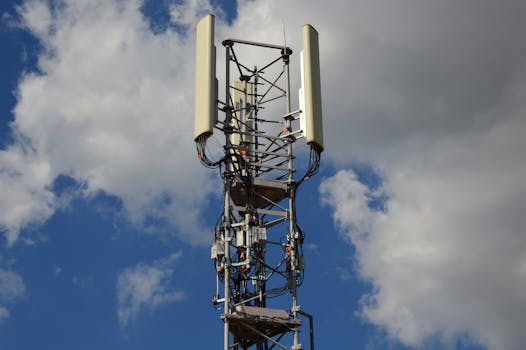 Photo: Ulrick Trappschuh / Pexels
 Photo: Bubba Dubba / Pexels
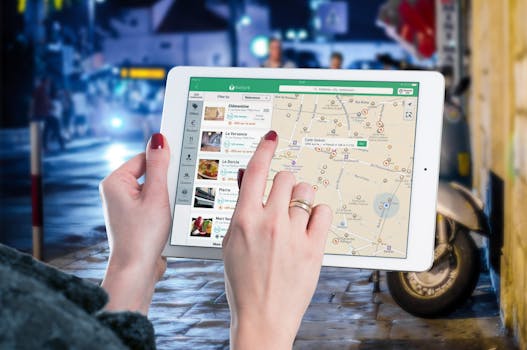 Photo: Pixabay / Pexels
 Photo: Md Jawadur Rahman / Pexels