✓ The Swiss smart home market is growing steadily, with increasing product availability.
✓ Prices for smart home devices in Switzerland can vary significantly based on brand, features, and integration capabilities.
✓ Entry-level smart home setups can start from a few hundred CHF, while comprehensive systems can reach several thousand.
✓ Energy efficiency and long-term savings are key drivers for smart home adoption in Switzerland.
✓ Local retailers and online stores offer a wide range of smart home products, often with competitive pricing.
How It Works
1
Define Your Needs & Budget
Identify which aspects of your home you want to automate (lighting, heating, security, entertainment). Set a realistic budget for initial purchases and potential future expansions.
2
Research Product Ecosystems
Choose a smart home ecosystem (e.g., Apple HomeKit, Google Home, Amazon Alexa, Zigbee, Z-Wave) that best fits your technical comfort and desired level of integration. Ensure compatibility between devices.
3
Compare Prices & Features
Utilize Swiss price comparison websites and local retailers to find the best deals on your selected devices. Pay close attention to features, installation requirements, and warranty information.
4
Installation & Integration
Install your smart devices, either DIY or with professional help for complex systems. Configure them within your chosen ecosystem for seamless operation and automation routines.
Understanding the Smart Home Devices Switzerland Price Landscape
Photo: Jessica Lewis 🦋 thepaintedsquare / Pexels
The landscape of smart home devices in Switzerland is dynamic and ever-evolving, offering a vast array of solutions for every need and budget. When considering the 'smart home devices Switzerland price,' it's crucial to understand that there isn't a single, fixed cost. Instead, prices fluctuate based on numerous factors, including the type of device, its brand, specific functionalities, and the ecosystem it belongs to. For instance, a basic smart plug might cost as little as CHF 20-40, while a high-end smart thermostat with advanced learning capabilities could range from CHF 150-300 or more. Security cameras, depending on their resolution, features like pan-and-tilt, and storage options, can span from CHF 50 for entry-level indoor models to CHF 500+ for robust outdoor systems with professional monitoring subscriptions.
One of the primary drivers of price variation is the brand. Established global players like Philips Hue, Sonos, Nest, and Arlo often command a premium due to their reputation for quality, reliability, and extensive ecosystem support. However, a growing number of challenger brands and white-label products are entering the Swiss market, offering more budget-friendly alternatives that still deliver satisfactory performance for many users. The key is to balance cost with desired features and long-term reliability. Integration capabilities also play a significant role. Devices designed to work seamlessly within a specific ecosystem (e.g., Apple HomeKit, Google Home, Amazon Alexa) might have a higher initial cost but offer a more unified and user-friendly experience, potentially saving frustration and time in the long run.
Furthermore, installation costs can be a hidden factor in the overall 'smart home devices Switzerland price.' While many smart devices are designed for DIY installation, more complex systems, such as integrated lighting solutions or comprehensive security setups, might require professional assistance. In Switzerland, professional installation services can add a substantial amount to the total investment, often ranging from a few hundred to over a thousand CHF, depending on the scope of work. It's always advisable to get multiple quotes and understand what's included before committing. Finally, consider the ongoing costs, such as subscription fees for cloud storage, advanced features, or professional monitoring services, which can add to the total cost of ownership over time. By dissecting these various elements, consumers can make more informed decisions when navigating the Swiss smart home market.
Popular Smart Home Categories and Their Price Ranges in Switzerland
Photo: Pavel Danilyuk / Pexels
To provide a clearer picture of 'smart home devices Switzerland price,' let's break down some of the most popular categories and their typical cost ranges.
**Smart Lighting:** This is often the entry point for many smart home enthusiasts. Basic smart bulbs from brands like IKEA Tradfri or local Swiss retailers can start from CHF 15-30 per bulb. For more advanced color-changing capabilities and a richer ecosystem like Philips Hue, expect to pay CHF 40-70 per bulb, with starter kits (including a bridge) ranging from CHF 80-150.
**Smart Thermostats & Climate Control:** Energy efficiency is a major concern in Switzerland, making smart thermostats highly popular. Entry-level smart radiator valves can be found for CHF 40-80 each. More sophisticated smart thermostats from brands like tado°, Nest, or Netatmo, which learn your habits and integrate with weather data, typically cost CHF 150-350 for the main unit, plus potentially additional sensors or radiator valves. These devices offer significant long-term savings on heating bills, often justifying their initial investment.
**Smart Security Systems:** This category encompasses a wide range of products. Smart door/window sensors are relatively inexpensive, at CHF 20-50 per unit. Indoor security cameras range from CHF 50-150, while robust outdoor cameras with advanced features like motion detection, night vision, and two-way audio can cost CHF 150-500. Smart doorbells (e.g., Ring, Arlo) usually fall in the CHF 100-300 range. For a complete smart alarm system with a central hub, multiple sensors, and a siren, prices can start from CHF 300 and go up to CHF 1000+ for modular, expandable systems.
**Smart Plugs & Switches:** These are among the most affordable ways to make existing appliances smart. Simple Wi-Fi smart plugs cost CHF 20-40. Smart light switches, which replace traditional wall switches, typically range from CHF 30-80, depending on features like dimming or multi-gang options.
**Smart Entertainment:** Devices like smart speakers (Google Nest Mini, Amazon Echo Dot) are very accessible, often priced between CHF 30-70. More powerful smart speakers (e.g., Sonos One, Apple HomePod Mini) can cost CHF 150-250. Smart TVs often come with integrated smart functionalities, but external streaming devices (Apple TV, Chromecast, Fire TV Stick) range from CHF 40-200.
**Smart Home Hubs & Gateways:** While many devices connect directly via Wi-Fi, some ecosystems require a central hub (e.g., Philips Hue Bridge, Samsung SmartThings Hub) to facilitate communication between devices. These hubs typically cost CHF 50-150 and are often included in starter kits. Understanding these price points helps in building a realistic budget for your smart home aspirations in Switzerland.
Maximizing Value: Tips for Affordable Smart Home Devices in Switzerland
Photo: Andrey Matveev / Pexels
Navigating the 'smart home devices Switzerland price' spectrum doesn't mean you have to sacrifice quality for affordability. There are several strategies to maximize value and build an intelligent home without overspending. Firstly, **prioritize your needs.** Instead of trying to automate everything at once, identify the areas where smart technology will have the most significant impact on your daily life or provide the greatest return on investment, such as energy savings through smart heating. Start with a few key devices and gradually expand your system as your needs evolve and your budget allows. This modular approach helps you spread the cost over time and ensures you're investing in products you genuinely use.
Secondly, **research compatible ecosystems before buying.** Committing to a specific ecosystem (like Apple HomeKit, Google Home, or Amazon Alexa) early on can prevent compatibility headaches and wasted money on incompatible devices. While some devices are platform-agnostic, others are designed to work best within a particular framework. Choosing an ecosystem that offers a wide range of devices from various manufacturers can also provide more competitive pricing options. Look for devices that support open standards like Zigbee or Z-Wave, as these often offer broader compatibility and more choice.
Thirdly, **leverage sales and promotions.** The Swiss retail market, both online and brick-and-mortar, frequently offers discounts on smart home devices, especially during seasonal sales events like Black Friday, Cyber Monday, or pre-Christmas promotions. Sign up for newsletters from major electronics retailers (e.g., Digitec Galaxus, MediaMarkt, Interdiscount) and price comparison websites (Toppreise.ch, Comparis) to stay informed about deals. Sometimes, purchasing bundles or starter kits can also offer better value than buying individual components separately.
Fourthly, **consider refurbished or open-box items.** Reputable retailers often sell refurbished smart home devices with warranties at significantly reduced prices. These items have usually been returned, inspected, and restored to full working order. This can be an excellent way to acquire higher-end devices at a fraction of their original cost. Always ensure there's a clear return policy and warranty when opting for such purchases.
Finally, **evaluate the total cost of ownership.** Beyond the initial purchase price, factor in potential ongoing costs such as subscription fees for cloud storage, advanced features, or professional monitoring. Sometimes, a slightly more expensive device with no recurring fees might be more economical in the long run than a cheaper alternative with monthly subscriptions. By adopting these strategies, Swiss consumers can build a smart home that is both functional and budget-friendly.
Common Mistakes to Avoid When Buying Smart Home Devices in Switzerland
Photo: Pavel Danilyuk / Pexels
Embarking on your smart home journey in Switzerland can be exciting, but it's easy to make missteps that can lead to frustration or unnecessary expenses. Being aware of these common mistakes can help you navigate the 'smart home devices Switzerland price' landscape more effectively.
**1. Ignoring Compatibility:** This is perhaps the most frequent error. Many users buy individual smart devices without checking if they work together. A smart bulb from one brand might not integrate with a smart hub from another, leading to a fragmented and inefficient system. Always verify compatibility with your existing devices and chosen ecosystem (e.g., HomeKit, Google Home, Alexa, or a specific hub like SmartThings) before making a purchase.
**2. Over-Automating Too Quickly:** It's tempting to want to automate every aspect of your home immediately. However, this can lead to overwhelming complexity, higher costs, and often, features you don't actually use. Start small, identify your biggest pain points, and expand gradually. This allows you to learn what works best for your lifestyle and ensures a more meaningful investment.
**3. Underestimating Installation & Setup:** While many smart devices are plug-and-play, some, especially those involving electrical wiring or complex network configurations, might require professional installation or a significant time investment. Don't assume everything will be simple. Research the setup process beforehand, and budget for professional help if needed, particularly for security systems or integrated lighting.
**4. Neglecting Network Infrastructure:** A reliable and robust Wi-Fi network is the backbone of any smart home. Older routers, weak signals, or insufficient bandwidth can cause devices to disconnect, lag, or fail entirely. Before investing heavily in smart devices, ensure your home network is up to the task, potentially upgrading your router or adding Wi-Fi extenders.
**5. Focusing Solely on Price:** While 'smart home devices Switzerland price' is a crucial consideration, making decisions based purely on the lowest cost can be a false economy. Cheaper devices might lack essential features, have poor reliability, limited support, or security vulnerabilities. It's often worth paying a bit more for reputable brands that offer better performance, long-term support, and robust security features.
**6. Ignoring Privacy and Security:** Smart home devices collect data, and some can be vulnerable to cyber threats. Always choose devices from manufacturers with a strong reputation for privacy and security. Read reviews, check for regular firmware updates, and configure strong, unique passwords for all your smart home accounts.
By avoiding these pitfalls, you can ensure a smoother, more secure, and ultimately more satisfying smart home experience in Switzerland.
Comparison
Feature
Best Value (e.g., Xiaomi/Aqara)
Mid-Range (e.g., Philips Hue/Nest)
Premium (e.g., Control4/Loxone)
Initial Cost (Starter Set)
CHF 100-300
CHF 300-800
CHF 2000-10000+
Ecosystem Integration
Good (via hubs, some with HomeKit)
Excellent (dedicated apps, voice assistants)
Superior (professional installation & customisation)
"I was overwhelmed by the smart home devices Switzerland price options, but this guide helped me find excellent value. I started with smart lighting and security cameras, and I'm thrilled with the balance of cost and performance."
Anna M. · Zurich, CH
★★★★★
"As a student, I needed an affordable smart home solution. This article pointed me towards budget-friendly smart plugs and a thermostat that have already saved me money on electricity bills. Highly recommended for navigating Swiss prices!"
Thomas L. · Geneva, CH
★★★★★
"After reading this, I confidently purchased a smart thermostat system. The insights on smart home devices Switzerland price were spot-on, and I managed to reduce my heating costs by 15% last winter. A fantastic resource!"
Sophie K. · Bern, CH
★★★★★
"The guide was very informative about the various price points for smart home devices in Switzerland. While some premium options are still a bit out of my reach, it helped me identify quality mid-range products that fit my budget and needs."
Marc P. · Basel, CH
★★★★★
"I was looking for smart home security options. This article clarified the smart home devices Switzerland price ranges for cameras and sensors, allowing me to build a robust system without overspending. My home feels much safer now."
Elena R. · Lausanne, CH
Frequently Asked Questions
What is the average smart home devices Switzerland price for a basic setup?
For a basic smart home setup in Switzerland, focusing on a few key areas like smart lighting and a couple of smart plugs, you can expect to spend anywhere from CHF 150 to CHF 400. This typically includes a starter kit for lighting and a few individual devices, depending on the brand and features chosen. More advanced setups, incorporating climate control or comprehensive security, will naturally cost more.
Are smart home devices more expensive in Switzerland compared to other European countries?
Generally, electronics and technology products, including smart home devices, can be slightly more expensive in Switzerland due to higher VAT, import duties, and general cost of living. However, competitive pricing from online retailers and promotions often narrow this gap. It's always advisable to compare prices across different Swiss retailers and reputable international sellers that ship to Switzerland.
How can I install smart home devices myself to save on costs?
Many smart home devices, such as smart bulbs, smart plugs, and even some security cameras, are designed for easy DIY installation. You simply plug them in, connect them to your Wi-Fi network via an app, and follow the on-screen instructions. For more complex devices like smart thermostats or wired security systems, always refer to the manufacturer's manual and ensure you have basic electrical knowledge or consider professional assistance to avoid errors and ensure safety.
Do smart home devices offer good value for their price in Switzerland?
Yes, many smart home devices offer excellent long-term value, especially those focused on energy efficiency. Smart thermostats can significantly reduce heating costs, while smart lighting can save electricity. The convenience, enhanced security, and improved quality of life they provide also add considerable value beyond the initial 'smart home devices Switzerland price.' The key is to choose devices that genuinely meet your needs and offer a good return on investment.
Which smart home ecosystems are most popular and well-supported in Switzerland?
The most popular smart home ecosystems with strong support in Switzerland include Apple HomeKit, Google Home, and Amazon Alexa. These platforms offer broad compatibility with a wide range of third-party devices and provide voice control capabilities in multiple languages. Additionally, open standards like Zigbee and Z-Wave are gaining traction, offering more flexibility and choice for users who prefer a mixed-brand setup.
Who should consider investing in smart home devices in Switzerland?
Anyone looking to enhance convenience, improve energy efficiency, boost home security, or simply modernize their living space should consider smart home devices in Switzerland. They are particularly beneficial for busy professionals, environmentally conscious individuals seeking to reduce their carbon footprint, and families desiring greater control and safety within their homes. Renters can also benefit from portable, easy-to-install devices.
Are there any data privacy concerns with smart home devices in Switzerland?
Data privacy is a significant concern with smart home devices. In Switzerland, data protection laws are robust, but it's crucial to choose reputable brands that clearly outline their data handling policies. Always use strong, unique passwords, enable two-factor authentication, and be mindful of the data devices collect. Regularly check for firmware updates, as these often include security patches. Opt for devices that process data locally where possible.
What are the future trends for smart home devices in Switzerland?
Future trends for smart home devices in Switzerland include greater integration with AI for predictive automation, enhanced focus on health and wellness monitoring (e.g., air quality sensors, sleep trackers), and increased adoption of sustainable energy management solutions. Expect more seamless interoperability between different brands and platforms, alongside a growing emphasis on robust cybersecurity measures and privacy-by-design principles.
Navigating the 'smart home devices Switzerland price' landscape can seem daunting, but with the right information, you can build an intelligent home that perfectly suits your needs and budget. Start exploring your options today to experience the convenience, security, and efficiency that smart technology brings to Swiss living.

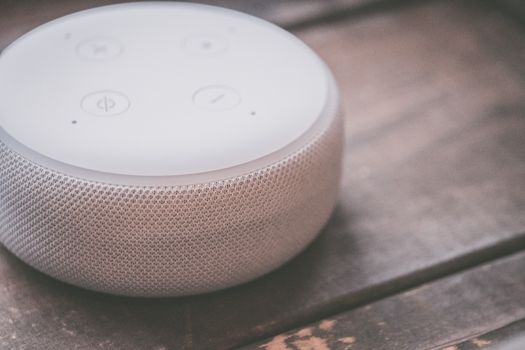 Photo: Jessica Lewis 🦋 thepaintedsquare / Pexels
 Photo: Pavel Danilyuk / Pexels
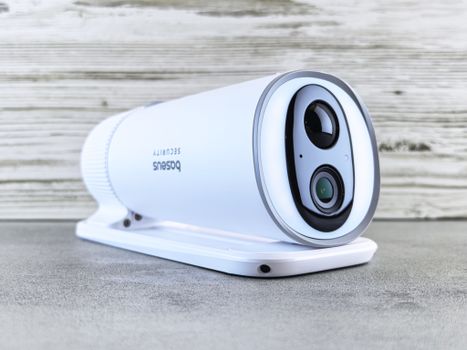 Photo: Andrey Matveev / Pexels