
how to protect online privacy switzerland: Your Ultimate Guide
Master your digital security in Switzerland with actionable advice and cutting-edge tools to secure your personal data.
Start Protecting Your Privacy NowKey Takeaways
- ✓ Switzerland has one of the strongest data protection laws globally, updated in 2023.
- ✓ VPNs are legal and highly recommended for enhancing online privacy in Switzerland.
- ✓ Swiss data centers are renowned for their security and neutrality.
- ✓ Personal data collected online often leaves digital footprints without user awareness.
How It Works
Familiarize yourself with the Federal Act on Data Protection (FADP) and its implications for your personal data. Knowing your rights is the first step to effective protection.
Utilize VPNs, secure browsers, and encrypted communication apps to shield your online activities. These tools create a robust defense against surveillance and data breaches.
Practice mindful browsing, review privacy settings on all platforms, and be cautious about what information you share. Small changes in behavior significantly impact your privacy posture.
Periodically check where your data resides and what permissions you've granted to apps and services. This proactive approach helps in identifying and mitigating potential risks.
Understanding Switzerland's Strong Data Protection Landscape
 Photo: Louis / Pexels
Essential Tools and Strategies for Robust Online Security in Switzerland
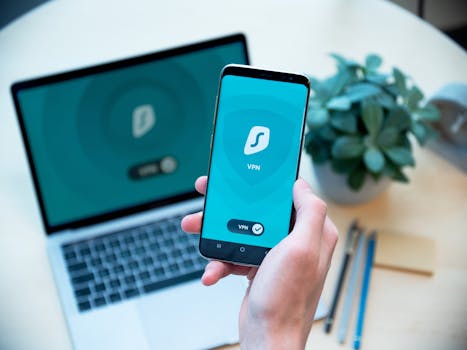 Photo: Dan Nelson / Pexels
Navigating Digital Footprints: Mindful Browsing and Privacy Settings
 Photo: Nic Wood / Pexels
Advanced Privacy Tips for Swiss Residents and Common Pitfalls to Avoid
 Photo: panumas nikhomkhai / Pexels
Comparison
| Feature | Recommended VPN (Paid) | Free VPN (Caution) | Standard Browser | Privacy Browser |
|---|---|---|---|---|
| Data Logging Policy | No-logs (audited) | Often logs/sells data | Extensive logging | Minimal logging |
| Encryption | AES-256 | Varies, often weaker | TLS (website only) | Enhanced TLS + tracking protection |
| IP Masking | ✓ | Limited or unreliable | ✗ | ✗ (requires VPN) |
| Ad/Tracker Blocking | Often built-in | Rarely | ✗ | ✓ |
| Jurisdiction Benefits | Privacy-friendly | Often unknown | Irrelevant | Irrelevant |
| Cost | Paid subscription | Free (data cost) | Free | Free |
What Readers Say
"I was overwhelmed by online privacy, but this guide on how to protect online privacy in Switzerland broke it down perfectly. The FADP explanation was particularly insightful and helped me understand my rights better."
Anja M. · Zurich, CH"The recommendations for VPNs and secure browsers were exactly what I needed. I've switched to a privacy-focused browser and feel much more secure now. This article truly helps protect online privacy in Switzerland."
Marc L. · Geneva, CH"Following the steps here, I managed to significantly reduce my digital footprint. My social media privacy settings are finally locked down, and I'm using encrypted messaging. A real game-changer for my online privacy in Switzerland."
Sophie B. · Bern, CH"Very comprehensive article. While some advanced tips were a bit technical for me, the core advice on adjusting privacy settings and using a good VPN was invaluable. It's a solid resource for anyone in Switzerland concerned about their data."
Thomas K. · Lausanne, CH"As a freelancer handling sensitive client data, understanding how to protect online privacy in Switzerland is critical. This guide provided practical, actionable steps that I've already implemented into my workflow, enhancing both my personal and professional security."
Elena R. · Lucerne, CHFrequently Asked Questions
Is Switzerland truly a safe haven for online privacy?
Yes, Switzerland is widely regarded as one of the safest countries for online privacy due to its strong legal framework, particularly the Federal Act on Data Protection (FADP), which was updated in 2023. This law provides robust protections for personal data, comparable to and in some aspects exceeding the EU's GDPR. Additionally, Switzerland's political neutrality and respect for individual rights contribute to its favorable privacy landscape.
Do I need a VPN if I live in Switzerland?
While Switzerland has strong data protection laws, a VPN (Virtual Private Network) is still highly recommended. It encrypts your internet traffic, hides your IP address, and protects you from local network surveillance, targeted advertising, and potential data breaches on unsecured Wi-Fi networks. It adds an essential layer of personal security beyond what legal frameworks can provide.
How can I check if my online accounts are secure?
To check your online account security, start by reviewing the privacy and security settings on each platform (social media, email, banking). Ensure you use strong, unique passwords for every account, ideally generated and stored by a password manager. Enable two-factor authentication (2FA) wherever possible. You can also use services like 'Have I Been Pwned?' to check if your email address has been compromised in data breaches.
What is the cost associated with enhancing online privacy?
The cost of enhancing online privacy can vary. Many fundamental steps, like adjusting privacy settings, using privacy-focused browsers, and being mindful of your online habits, are free. However, premium tools like reputable VPN services, secure email providers, or hardware security keys typically involve a subscription fee or one-time purchase. Consider these an investment in your digital security and peace of mind.
How does Swiss data protection compare to GDPR?
Switzerland's revised Federal Act on Data Protection (FADP), effective September 2023, aligns closely with the EU's GDPR in many aspects, such as data subject rights, transparency requirements, and accountability for data controllers. Key differences include FADP's focus on data pertaining to natural persons only (not legal entities) and specific Swiss enforcement mechanisms. For individuals, FADP often provides comparable, if not stronger, protections.
Who should prioritize online privacy protection in Switzerland?
Everyone in Switzerland should prioritize online privacy protection. However, it is especially critical for individuals handling sensitive personal or professional data, journalists, activists, healthcare professionals, legal practitioners, and anyone who wants to prevent their personal information from being collected, analyzed, and potentially misused by corporations or other entities. Proactive steps benefit all users.
Are there risks associated with using privacy tools?
While privacy tools significantly enhance security, there can be risks if not chosen wisely. For instance, free VPNs might compromise your privacy by logging and selling your data. Using untrusted software can introduce vulnerabilities. It's crucial to research and select reputable, audited privacy tools and services. Over-configuration or misuse can also sometimes lead to connectivity issues or reduced usability, but these are generally manageable.
What are the future trends in online privacy for Switzerland?
Future trends in online privacy for Switzerland are likely to include continued adaptation to global digital challenges, potentially further harmonization with international data protection standards, and increased focus on emerging technologies like AI and blockchain. The FDPIC will likely play an even more active role in guiding businesses and protecting individuals. Expect continued emphasis on transparency, accountability, and user control over personal data in an increasingly digital world.
Taking control of your digital life is an ongoing journey. By leveraging Switzerland's robust legal framework and implementing the practical steps outlined here, you can significantly enhance how to protect online privacy in Switzerland. Start today and secure your peace of mind in the digital realm.