✓ VR market projected to reach hundreds of billions by 2030.
✓ Haptics and brain-computer interfaces are set to revolutionize VR interaction.
✓ Enterprise adoption of VR for training, design, and collaboration is rapidly increasing.
✓ 5G and edge computing are critical enablers for next-gen VR experiences.
How It Works
1
Advanced Headsets & Displays
Next-generation VR headsets will feature higher resolutions, wider fields of view, and lighter designs. Micro-LED and OLED technologies will deliver unparalleled visual fidelity, minimizing motion sickness.
2
Enhanced Immersion & Interaction
Full-body tracking, haptic feedback suits, and advanced hand tracking will allow for more natural and intuitive interactions. Eye-tracking and facial expression recognition will enable avatars to convey nuanced emotions.
3
Powerful Computing & Connectivity
Cloud rendering, 5G, and edge computing will offload processing from local devices, enabling more complex and realistic VR environments. This reduces latency and improves accessibility, making high-fidelity VR widely available.
4
AI Integration & Adaptive Worlds
AI will power dynamic, responsive virtual environments and intelligent NPCs (Non-Player Characters). This allows for personalized experiences, adaptive learning scenarios, and more believable virtual interactions.
The Evolution of Immersive Technologies: Beyond Gaming
Photo: Max Fischer / Pexels
The journey of virtual reality technology has been a fascinating one, evolving from nascent concepts in the mid-20th century to the sophisticated, albeit still developing, systems we see today. Initially, VR was largely confined to niche applications, primarily in military simulations and high-end research. However, the past decade has witnessed an accelerated trajectory, driven by advancements in display technology, processing power, and sensor integration. What started as a promising, yet often clunky, gaming peripheral is now rapidly transforming into a foundational technology with profound implications across a multitude of sectors. The prevailing narrative often links VR solely to entertainment, particularly gaming. While its impact on interactive entertainment is undeniable and will continue to grow exponentially, the true future of virtual reality technology lies in its expansive application beyond recreational pursuits. We are moving towards an era where VR will be an indispensable tool for education, healthcare, industrial design, and even social interaction. Consider the field of medicine: surgeons are already using VR for complex procedure training, allowing them to practice intricate operations in a risk-free environment before stepping into an operating room. This not only enhances surgical precision but also significantly reduces patient risk. Furthermore, VR is proving to be a powerful therapeutic tool for pain management, anxiety reduction, and rehabilitation, offering immersive distractions and controlled environments for exposure therapy. In education, VR holds the promise of transforming passive learning into active, experiential engagement. Imagine chemistry students conducting dangerous experiments in a virtual lab without any real-world hazards, or history students walking through ancient Rome, interacting with its inhabitants and structures. This level of immersion can dramatically improve retention and comprehension, making learning more intuitive and engaging. The convergence of VR with augmented reality (AR) and mixed reality (MR) into what is broadly termed Extended Reality (XR) is blurring the lines between the digital and physical worlds. This fusion is creating a continuum of immersive experiences that will redefine how we perceive and interact with information. For instance, architects can walk through their designs in a virtual space before construction begins, making real-time modifications and collaborating with clients across continents. Engineers can dismantle and repair complex machinery virtually, reducing downtime and training costs. The implications for remote work and global collaboration are equally staggering. VR-powered meeting spaces, often referred to as the metaverse, promise to replicate the intimacy and spontaneity of in-person interactions, transcending geographical barriers. These platforms will facilitate more engaging discussions, collaborative design sessions, and even virtual conferences that are more impactful than traditional video calls. The ongoing development of lightweight, standalone VR headsets, coupled with advancements in haptics and eye-tracking, is making these experiences more accessible and comfortable. The reliance on tethered systems and powerful PCs is diminishing, paving the way for ubiquitous VR adoption. The future isn't just about escaping reality; it's about enhancing it, augmenting it, and providing new dimensions for human experience and interaction. This expansive vision underscores why the future of virtual reality technology is far more profound than just a new way to play games; it's a new paradigm for how we live, learn, and work. The integration of artificial intelligence (AI) will further personalize these virtual worlds, making them more responsive and adaptive to individual users, creating truly bespoke immersive experiences. Discover more about cutting-edge tech innovations.
The rapid ascent of virtual reality technology is inextricably linked to a confluence of significant technological breakthroughs that are collectively pushing the boundaries of what's possible. These advancements span hardware, software, and connectivity, creating a synergistic effect that promises to deliver truly transformative immersive experiences. At the core of any compelling VR experience are the displays. Current VR headsets, while impressive, often suffer from the 'screen door effect' – the visible gaps between pixels that detract from immersion. The future holds micro-OLED and micro-LED displays, offering resolutions far exceeding 8K per eye, coupled with incredibly high refresh rates and expanded color gamuts. These display technologies will eliminate the screen door effect, provide crystal-clear visuals, and significantly reduce motion sickness by offering a seamless visual experience. Furthermore, varifocal and light-field displays are on the horizon, aiming to solve the vergence-accommodation conflict – a key factor in eye strain and discomfort. By allowing the eyes to naturally focus at different depths within the virtual scene, these technologies will make VR usage far more comfortable and prolonged. Beyond visual fidelity, the interaction paradigms are undergoing a radical overhaul. Haptic feedback, once limited to simple vibrations in controllers, is evolving rapidly. Advanced haptic gloves and full-body suits are being developed that can simulate textures, temperatures, and even kinetic forces, allowing users to 'feel' virtual objects and environments with unprecedented realism. Imagine reaching out to touch a virtual cat and feeling its fur, or grasping a digital tool and sensing its weight and resistance. This level of tactile feedback will bridge the sensory gap between the physical and virtual worlds. Another critical area of advancement is spatial computing. This involves sophisticated sensor arrays – including LiDAR, depth cameras, and IMUs (Inertial Measurement Units) – that enable precise tracking of users and their environment without external base stations. This 'inside-out tracking' is already prevalent in standalone headsets but will become even more accurate and robust, allowing for seamless room-scale VR experiences and effortless transitions between the physical and virtual. Eye-tracking technology is also becoming standard, not just for improving user interface interactions but also for foveated rendering. This technique optimizes graphical performance by rendering the area where the user is looking at full resolution, while rendering peripheral vision at a lower resolution. This dramatically reduces the computational load, enabling higher fidelity graphics without requiring excessively powerful hardware. The role of artificial intelligence (AI) in shaping the future of virtual reality technology cannot be overstated. AI will power more intelligent and adaptive virtual environments, where non-player characters (NPCs) exhibit believable behaviors and respond dynamically to user actions. Generative AI will enable the creation of vast, diverse virtual worlds on the fly, reducing development time and offering endless possibilities for exploration. Moreover, AI-driven adaptive learning systems within VR will personalize educational and training modules, adjusting difficulty and content based on individual user progress and preferences. Connectivity is another cornerstone. The widespread rollout of 5G networks, combined with edge computing, will unlock cloud-rendered VR. This paradigm shift means that complex graphical processing can be offloaded to remote servers, streaming high-fidelity VR content to lightweight, untethered headsets with minimal latency. This not only democratizes access to premium VR experiences but also enables more expansive and persistent virtual worlds that are not limited by local device capabilities. The integration of brain-computer interfaces (BCIs) represents the ultimate frontier in immersive interaction. While still in early stages, BCIs could eventually allow users to control virtual environments and objects with their thoughts, offering a level of interaction that transcends physical controllers. This could revolutionize accessibility and open up entirely new forms of human-computer interaction within VR. These technological pillars are not developing in isolation; they are converging to create a synergistic ecosystem that will define the next generation of virtual reality experiences. From hyper-realistic visuals and tactile feedback to intelligent virtual worlds and seamless connectivity, the future of VR promises an unprecedented level of immersion and utility, fundamentally altering our perception of digital interaction. The relentless pursuit of these innovations ensures that the future of virtual reality technology will be nothing short of revolutionary.
Transformative Applications: Industry Shifts and Societal Impact
Photo: SHVETS production / Pexels
The transformative power of the future of virtual reality technology extends far beyond individual consumption, poised to instigate seismic shifts across numerous industries and profoundly impact societal structures. Its ability to create immersive, interactive, and customizable digital environments makes it an unparalleled tool for innovation, efficiency, and human connection. In the realm of enterprise, VR is rapidly moving from a novelty to a necessity. Manufacturing and engineering sectors are leveraging VR for product design, prototyping, and assembly line optimization. Companies can create digital twins of their factories or products, allowing engineers to identify flaws, test new configurations, and train staff in a virtual environment before making costly physical changes. This significantly reduces development cycles, material waste, and operational risks. Training and simulation are perhaps one of the most mature and impactful enterprise applications. From training pilots and surgeons to teaching complex industrial processes, VR provides a safe, repeatable, and highly effective environment for skill development. Employees can practice hazardous tasks, learn intricate procedures, and refine their decision-making in scenarios that perfectly mimic real-world conditions, without any real-world consequences. This leads to higher proficiency, reduced errors, and improved safety records. The retail and real estate industries are also being revolutionized. Consumers can virtually tour properties from anywhere in the world, customizing layouts and finishes in real-time. Retailers are creating virtual showrooms where customers can try on clothes, visualize furniture in their homes, or explore product catalogs in an engaging 3D space, enhancing the online shopping experience and potentially reducing return rates. The healthcare sector, as previously mentioned, is witnessing a VR renaissance. Beyond surgical training, VR is being used for pain distraction during medical procedures, physical therapy, and mental health treatments. For patients recovering from injuries, VR can make rehabilitation exercises more engaging and tolerable. For those suffering from phobias or PTSD, controlled VR environments offer a safe space for exposure therapy under clinical supervision. The future of virtual reality technology also holds immense promise for social interaction and communication. The concept of the 'metaverse' – persistent, shared virtual spaces – is gaining traction. These platforms aim to transcend geographical barriers, allowing people to work, socialize, learn, and entertain themselves together in incredibly immersive digital worlds. Imagine attending a concert with friends from different countries, collaborating on a project with colleagues across continents, or simply catching up with family in a shared virtual living room that feels almost as real as being there. These social VR experiences have the potential to combat loneliness and foster global communities. Furthermore, VR is an emerging frontier for artistic expression and storytelling. Artists are creating interactive installations, and filmmakers are experimenting with immersive narratives that put the viewer directly into the story, offering unprecedented levels of empathy and engagement. This new medium will redefine how we consume and create art, opening up entirely new dimensions of creative possibility. The ethical considerations and challenges associated with widespread VR adoption are also part of its future. Issues such as data privacy, digital identity, potential addiction, and the blurring lines between reality and simulation will require careful consideration and robust regulatory frameworks. As VR becomes more ubiquitous and realistic, ensuring responsible development and usage will be paramount. Ultimately, the future of virtual reality technology is not just about new gadgets; it's about fundamentally altering human potential, interaction, and experience. It's about creating new avenues for learning, working, and connecting that were once confined to science fiction, driving efficiency, fostering innovation, and enriching lives in ways we are only just beginning to comprehend. Explore the ethical considerations of AI and emerging technologies.
Navigating the VR Landscape: Tips for Adoption and Common Pitfalls to Avoid
Photo: Artem Podrez / Pexels
As the future of virtual reality technology unfolds, individuals and organizations alike are considering how to best embrace this transformative medium. However, successful adoption requires careful planning and an awareness of potential pitfalls. Here are some essential tips for navigating the VR landscape and common mistakes to avoid:
**Tips for Successful VR Adoption:**
* **Define Clear Objectives:** Before investing in VR, clearly articulate what you want to achieve. Are you aiming for enhanced training, improved design workflows, novel entertainment, or remote collaboration? Specific goals will guide your technology choices and content strategy. Generic 'exploring VR' often leads to wasted resources.
* **Start Small, Scale Up:** Don't try to implement a full-scale metaverse solution overnight. Begin with pilot projects, test concepts with a small group, and gather feedback. Learn from these initial deployments before committing to larger investments. This iterative approach minimizes risk and allows for agile adjustments.
* **Prioritize User Experience (UX):** VR's success hinges on comfort, ease of use, and compelling content. Invest in ergonomic hardware, intuitive interfaces, and experiences that minimize motion sickness. A poor UX will quickly deter users, regardless of the underlying technology's power.
* **Invest in Quality Content:** The hardware is only as good as the software it runs. Whether developing in-house or commissioning external partners, ensure your VR content is high-quality, engaging, and directly addresses your objectives. Generic or poorly designed experiences will fail to deliver value.
* **Consider Connectivity and Infrastructure:** For enterprise-level VR, assess your network infrastructure. Cloud-rendered VR and collaborative platforms require robust, low-latency internet connectivity. Ensure your IT environment can support the demands of VR deployment.
* **Training and Support:** Provide adequate training for users and technical support. VR can have a learning curve, and proactive assistance will ensure smooth adoption and maximize utilization.
* **Stay Updated with Trends:** The VR landscape is rapidly evolving. Keep abreast of new hardware releases, software advancements, and best practices. Flexibility and a willingness to adapt are crucial for long-term success.
**Common Pitfalls to Avoid:**
* **Ignoring Comfort and Ergonomics:** Heavy, uncomfortable headsets or experiences that induce severe motion sickness will lead to rejection. Prioritize devices that offer good weight distribution, adjustable straps, and clear optics.
* **Over-Reliance on Novelty:** While VR is exciting, its long-term value must come from solving real problems or enhancing experiences significantly. If the 'wow' factor wears off and there's no inherent utility, adoption will falter.
* **Underestimating Content Development Costs:** Creating high-quality VR content, especially custom applications, can be expensive and time-consuming. Budget realistically for development, testing, and ongoing maintenance.
* **Lack of Integration:** VR solutions should ideally integrate with existing workflows and systems where appropriate. Standalone VR silos that don't connect to other business processes can limit their overall impact.
* **Neglecting Accessibility:** Design VR experiences with accessibility in mind, considering users with varying physical abilities or sensory sensitivities. Inclusive design broadens your potential user base.
* **Ignoring Data Privacy and Security:** As VR platforms collect more personal data (e.g., eye-tracking, body movements), robust privacy policies and security measures are paramount, especially in sensitive applications like healthcare or corporate training.
* **Premature Scaling:** Rushing into large-scale deployment without thorough testing and validation can lead to costly failures and user dissatisfaction. Patience and methodical implementation are key.
By proactively addressing these points, organizations and individuals can effectively harness the immense potential of the future of virtual reality technology, transforming challenges into opportunities and paving the way for a truly immersive future.
Comparison
Feature
Future Standalone VR Headsets
Current PC VR Headsets
Current Mobile VR Headsets
Resolution (per eye)
8K+ (Micro-LED/OLED)
2K-4K (LCD/OLED)
HD-2K (Phone Screen)
Field of View
120-200 degrees
90-110 degrees
60-90 degrees
Tracking
Advanced Inside-Out, Full Body, Eye/Face
Outside-In (Lighthouse), Inside-Out
3DoF (Head Only)
Haptics
Advanced Gloves/Suits
Controller Vibration
Phone Vibration
Latency
Ultra-Low (Cloud/Edge)
Low
Moderate
Comfort/Weight
Lightweight, Ergonomic
Moderate, Tethered
Light, Phone Dependent
Processing Power
Cloud/On-Chip AI
High-End PC
Smartphone CPU
Cost
Premium (initially)
High (PC + Headset)
Low (Phone + Viewer)
What Readers Say
★★★★★
"The potential of the future of virtual reality technology in medical training is astounding. We're already seeing improved surgical outcomes and reduced learning curves for our residents, thanks to hyper-realistic simulations. It's truly transformative for healthcare education."
Dr. Elena Petrov · Zurich, Switzerland
★★★★★
"As an architect, being able to walk through my designs with clients in VR before construction begins is a game-changer. The future of virtual reality technology allows for real-time feedback and eliminates costly revisions later on. It's an indispensable tool for modern design."
Marco Rossi · Geneva, Switzerland
★★★★★
"Our remote teams are more connected and collaborative than ever using VR meeting spaces. The sense of presence that the future of virtual reality technology provides significantly boosts engagement compared to traditional video calls, leading to better teamwork and innovation."
Sophie Dubois · Lausanne, Switzerland
★★★★★
"While still in its early stages for mainstream adoption, the future of virtual reality technology clearly points towards incredible possibilities. The hardware needs to become more affordable and comfortable for daily use, but the immersive experiences are already incredibly compelling for niche applications."
Lukas Müller · Bern, Switzerland
★★★★★
"I've used VR for physical rehabilitation after an accident, and it made the often tedious exercises genuinely engaging. The future of virtual reality technology offers a powerful distraction from pain and turns therapy into an immersive game, which dramatically improved my motivation and recovery speed."
Anna Schmidt · Basel, Switzerland
Frequently Asked Questions
What are the biggest challenges facing the future of virtual reality technology?
Key challenges include reducing hardware costs and weight, improving battery life, enhancing visual fidelity to eliminate motion sickness, and developing compelling, diverse content. Additionally, addressing ethical concerns around data privacy and digital identity will be crucial for widespread adoption and trust.
Will VR replace physical interaction and travel?
While the future of virtual reality technology will undoubtedly offer incredibly immersive social and travel experiences, it's more likely to augment and enhance physical interaction rather than fully replace it. VR can bridge distances and offer experiences otherwise impossible, but the unique value of in-person connection and real-world exploration will remain.
How can I prepare for the future of virtual reality technology?
To prepare, start by experimenting with current VR headsets if possible, even entry-level ones, to understand the basics. For professionals, consider how immersive technologies could solve problems or create opportunities in your industry. Stay informed about technological advancements and content trends, and begin to develop basic digital literacy for 3D environments.
Is virtual reality technology too expensive for mass adoption?
Currently, high-end virtual reality technology can be expensive, especially PC-tethered systems. However, standalone headsets are becoming increasingly affordable, and as technology matures and production scales, prices are expected to drop significantly. Cloud-rendered VR will also make high-fidelity experiences accessible on less expensive hardware.
How does VR differ from AR (Augmented Reality) in the future?
While both are immersive technologies, the future of virtual reality technology creates fully enclosed, digital worlds, completely replacing your view of the physical environment. Augmented reality overlays digital information onto the real world, enhancing your existing perception. Both are part of the broader 'Extended Reality' (XR) landscape and will increasingly converge, but their primary modes of interaction remain distinct.
Who stands to benefit most from the future of virtual reality technology?
Virtually every sector stands to benefit. Education will see enhanced learning, healthcare improved training and therapy, manufacturing optimized design and operations, and entertainment will be revolutionized. Individuals will benefit from new forms of social connection, personalized learning, and unprecedented entertainment options.
Are there any health risks associated with extended VR use?
Potential health risks include motion sickness, eye strain, and disorientation, especially with poorly optimized experiences or prolonged use. Future advancements in display technology (like varifocal displays) and improved ergonomics aim to mitigate these issues. Responsible use, including taking breaks, is always recommended.
What role will the metaverse play in the future of virtual reality technology?
The metaverse is envisioned as a persistent, interconnected network of 3D virtual worlds where users can interact, work, and play. It will be a central application for the future of virtual reality technology, providing the shared digital infrastructure and experiences that will drive widespread adoption and utility across social, economic, and cultural domains.
The future of virtual reality technology is not a distant dream; it's a rapidly unfolding reality. Embrace the coming wave of immersive experiences and discover how VR will reshape industries, education, and our daily lives. Start exploring the possibilities today.
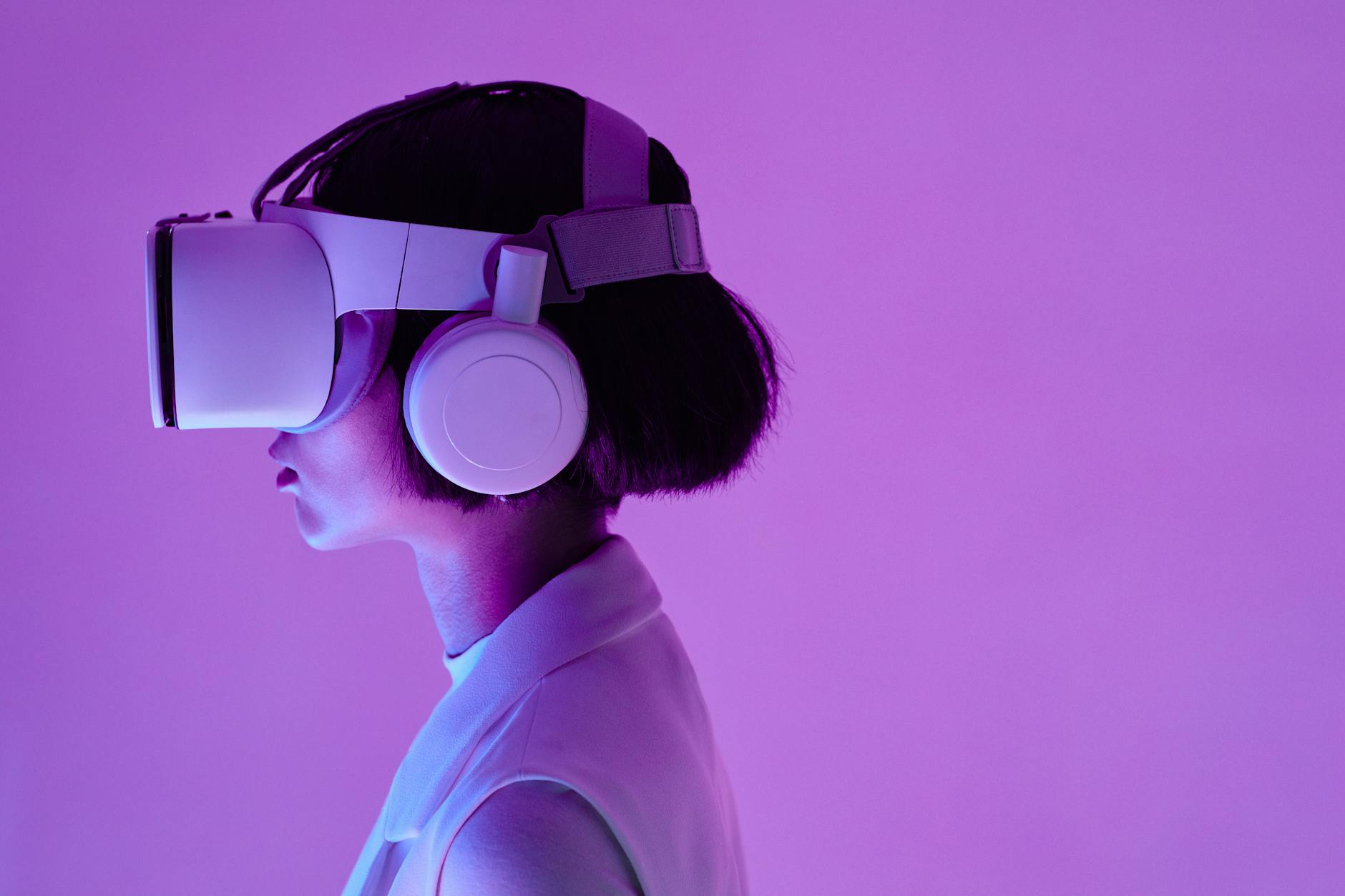
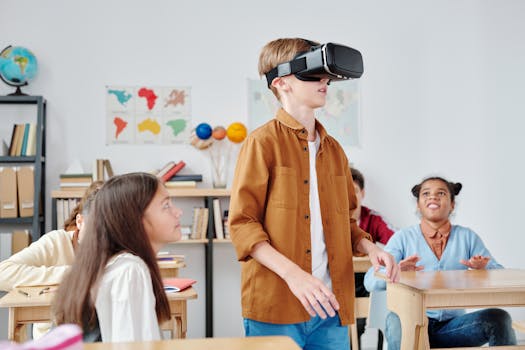 Photo: Max Fischer / Pexels
 Photo: SHVETS production / Pexels
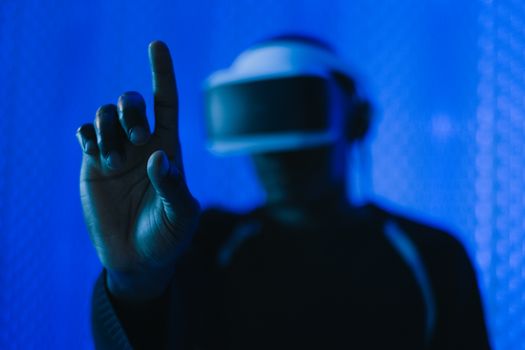 Photo: SHVETS production / Pexels
 Photo: Artem Podrez / Pexels