
Unlocking the Future of Technology Switzerland: A Deep Dive
future of technology Switzerland

Unlocking the Future of Technology Switzerland: A Deep Dive

Discover how Switzerland is pioneering advancements in AI, biotech, and sustainable tech, shaping its dynamic digital future.

Explore Swiss Innovation

Key Takeaways

  • ✓ Switzerland consistently ranks among the most innovative countries globally.
  • ✓ High investment in R&D (around 3% of GDP) fuels technological advancements.
  • ✓ Strong collaboration between academia, industry, and government drives innovation.
  • ✓ Key sectors include AI, blockchain, biotech, medtech, and sustainable technologies.

How It Works

1
Foundation of Excellence

Switzerland's world-class education system, particularly its ETHs (federal institutes of technology), produces top-tier talent. This ensures a continuous supply of skilled professionals for the tech sector.

2
Strategic Investment & Support

The government and private sector heavily invest in research and development, offering grants, incubators, and favorable regulatory environments. This fosters a fertile ground for startups and established tech companies alike.

3
Cross-Sector Collaboration

Close ties between universities, research institutions, and industry lead to robust knowledge transfer and applied innovation. This synergy accelerates the development and commercialization of new technologies.

4
Global Integration & Specialization

Switzerland leverages its international networks and specializes in high-value, niche tech areas like precision engineering, fintech, and personalized medicine. This focus allows it to maintain a competitive edge on the global stage.

Switzerland's Digital Transformation: A Global Blueprint

Breathtaking view of mountains and valleys in Furna, Switzerland with a partly cloudy sky. Photo: Guillaume Guersan / Pexels
Switzerland, a nation renowned for its precision engineering, financial prowess, and breathtaking natural beauty, is rapidly solidifying its position as a global leader in technological innovation. This isn't a new phenomenon; the country has a long-standing tradition of excellence in research and development, fueled by significant public and private investment, a world-class education system, and a stable political and economic environment. The future of technology Switzerland is not merely about adopting new tools but about fundamentally transforming industries, creating new economic opportunities, and addressing some of the world's most pressing challenges through groundbreaking advancements. From the bustling innovation hubs of Zurich and Lausanne to the specialized biotech clusters in Basel, the nation is a vibrant ecosystem where groundbreaking ideas are nurtured from concept to commercial reality. This digital transformation is multifaceted, touching every aspect of society, from how we live and work to how we interact with our environment. The Swiss approach is characterized by a strong emphasis on quality, sustainability, and ethical considerations, ensuring that technological progress serves the greater good. The collaboration between its leading universities, such as ETH Zurich and EPFL, and a myriad of innovative startups and multinational corporations, forms a dynamic synergy. These institutions are not just conducting research; they are actively shaping the next generation of technological leaders and fostering an environment where interdisciplinary collaboration thrives. This symbiotic relationship is crucial for translating theoretical breakthroughs into practical applications that can drive economic growth and societal benefit. Furthermore, the Swiss government plays a proactive role in supporting this ecosystem, not only through direct funding but also by creating attractive regulatory frameworks and promoting international partnerships. This holistic approach ensures that Switzerland remains at the forefront of technological advancement, setting a benchmark for other nations. The commitment to innovation is embedded in the national psyche, making the future of technology in Switzerland a compelling narrative of continuous progress and adaptation. The nation's ability to attract top talent from around the globe further strengthens its innovative capacity, creating a diverse and dynamic workforce that is essential for tackling complex technological challenges. This blend of local talent and international expertise is a key ingredient in Switzerland's recipe for success in the global tech race. The focus on high-value, specialized areas allows Switzerland to punch above its weight on the global stage, demonstrating that size is not a prerequisite for leadership in technological innovation. The strategic choices made today are laying the groundwork for a prosperous and technologically advanced future. For a deeper look into the broader European tech landscape, consider exploring this article on European tech trends.

Pioneering Sectors: AI, Biotech, and Sustainable Tech
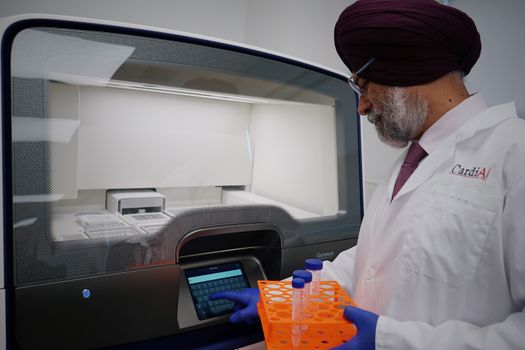
Researcher in lab analyzing samples with high-tech equipment. Wearing protective lab gear. Photo: World Sikh Organization of Canada / Pexels
Delving deeper into specific areas, the future of technology Switzerland is particularly bright in several key sectors. Artificial Intelligence (AI) stands out as a transformative force, with Swiss researchers and companies making significant strides in machine learning, natural language processing, and computer vision. ETH Zurich, for instance, is home to leading AI research centers, attracting global talent and fostering breakthroughs that have applications across finance, healthcare, and manufacturing. Swiss fintech, already a global leader, is leveraging AI to enhance fraud detection, personalized banking, and algorithmic trading, further solidifying its competitive edge. The ethical implications of AI are also a major focus, with Swiss institutions actively contributing to the development of responsible AI frameworks. Biotech and Medtech represent another cornerstone of Swiss innovation. The Basel region, often referred to as 'Bio Valley,' is a global hub for pharmaceutical and life sciences companies, driving advancements in drug discovery, personalized medicine, and medical devices. Companies like Roche and Novartis, alongside a vibrant ecosystem of startups, are pushing the boundaries of what's possible in healthcare. The integration of AI with biotech is leading to accelerated drug development and more precise diagnostic tools, promising revolutionary changes in patient care. Switzerland's commitment to sustainability is deeply ingrained, and this is profoundly reflected in its technological development. Sustainable tech, or 'cleantech,' is a rapidly growing sector. Swiss companies are at the forefront of developing solutions for renewable energy, energy efficiency, waste management, and sustainable agriculture. Innovations in smart grids, advanced materials for solar panels, and precision farming technologies are not only addressing environmental concerns but also creating new economic opportunities. The country's topography and commitment to hydropower have long made it a leader in renewable energy, and this legacy is extending into next-generation sustainable solutions. Blockchain technology, beyond its association with cryptocurrencies, is also finding fertile ground in Switzerland. 'Crypto Valley' in Zug has become a world-renowned hub for blockchain startups and enterprises, exploring applications in supply chain management, digital identity, and secure data exchange. The Swiss regulatory environment has been particularly accommodating, attracting innovative projects and fostering a robust ecosystem for distributed ledger technologies. This proactive stance on emerging technologies ensures that Switzerland remains relevant and competitive in the rapidly evolving global tech landscape. The synergy between these pioneering sectors is particularly exciting, as the convergence of AI, biotech, and sustainable tech promises even more profound societal impacts. Imagine AI-driven sustainable energy grids or biotech solutions for environmental remediation – these are the areas where Swiss innovation is poised to make a global difference. The nation's ability to foster interdisciplinary research and development is key to unlocking these complex, high-impact solutions. This strategic focus on advanced, high-value-added technologies ensures Switzerland's continued economic prosperity and its role as a global innovation powerhouse.

Challenges and Opportunities in the Swiss Tech Landscape

An articulated robotic arm competes in chess on a board against a dark background, highlighting AI and innovation. Photo: Pavel Danilyuk / Pexels
While the future of technology Switzerland appears exceptionally promising, it is not without its challenges. One of the primary concerns is the intense competition for global talent. Despite its attractive living standards and high salaries, Switzerland must continually strive to attract and retain top tech professionals from around the world. Visa regulations, integration into a new culture, and the high cost of living can sometimes pose barriers. Efforts are underway to streamline immigration processes for highly skilled workers and to foster an even more inclusive and welcoming environment for international talent. Another significant challenge lies in scaling startups. While Switzerland excels at fostering innovative ideas and creating successful early-stage companies, scaling them into global giants can be more difficult. Access to late-stage venture capital, particularly for ambitious, capital-intensive projects, can sometimes be less abundant compared to Silicon Valley or certain Asian tech hubs. Initiatives like the Swiss National Startup Team and various accelerator programs are actively working to bridge this gap, connecting promising startups with international investors and providing crucial mentorship. Furthermore, maintaining a competitive edge in rapidly evolving fields requires continuous adaptation and strategic foresight. The pace of technological change demands constant investment in research and development, alongside agile regulatory frameworks that can keep up with innovation without stifling it. Striking this delicate balance is crucial for sustaining Switzerland's leadership position. The high cost of doing business in Switzerland, including labor costs and operational expenses, is another factor that companies must navigate. This often necessitates a focus on high-value, specialized products and services where Swiss quality and innovation can command a premium, rather than competing on price alone. However, these challenges also present significant opportunities. The very high cost of labor, for instance, incentivizes automation and the adoption of AI, pushing companies to become even more efficient and innovative. The need to attract global talent encourages diversity and fosters a rich exchange of ideas, strengthening the innovation ecosystem. The relatively small domestic market pushes Swiss companies to think globally from day one, embedding internationalization into their business models from the outset. Moreover, Switzerland's strong reputation for data privacy and security offers a unique advantage, particularly in an era where data breaches are a growing concern. This trust factor can be a powerful differentiator for Swiss tech companies, especially in areas like fintech, healthtech, and secure cloud services. The country's neutrality and political stability also contribute to its appeal as a safe and reliable hub for technological development and investment. Looking ahead, the increasing integration of different technologies, such as quantum computing with AI or advanced robotics with sustainable manufacturing, presents new frontiers for Swiss innovation. The nation’s commitment to interdisciplinary research and its robust infrastructure position it well to capitalize on these converging technological trends. By proactively addressing its challenges and strategically leveraging its strengths, the future of technology Switzerland is poised for continued growth and global impact. Explore more about how nations are tackling these issues by reading about global tech policy developments.

Navigating the Future: Key Strategies for Success

An overhead view of charts and graphs alongside a laptop on a black surface. Photo: Tima Miroshnichenko / Pexels
To ensure Switzerland maintains its leadership in the global technology landscape, several key strategies are being actively pursued and refined. These strategies are designed to address the aforementioned challenges while capitalizing on the nation's inherent strengths. Firstly, a relentless focus on education and talent development remains paramount. Switzerland's universities and vocational schools are continually updating their curricula to meet the demands of emerging technologies. This includes expanding programs in AI, data science, cybersecurity, and quantum computing. Furthermore, initiatives to promote STEM education from an early age are crucial for building a pipeline of future innovators. Attracting and retaining international talent is equally vital. Streamlined visa processes, competitive remuneration packages, and a welcoming environment for expatriates are critical. Many companies are also investing in language training and cultural integration programs to help international employees feel at home. The goal is to make Switzerland not just a place to work, but a place to build a life and contribute to a vibrant community. Secondly, fostering a robust startup ecosystem is a top priority. This involves increasing access to early-stage and growth-stage funding through a mix of public and private venture capital, angel investors, and corporate venture arms. Incubators and accelerators play a crucial role in providing mentorship, resources, and networking opportunities for nascent companies. Government support, such as tax incentives for R&D and startup-friendly regulations, further bolsters this environment. The aim is to create a seamless journey for innovative ideas from concept to global market penetration, ensuring that Swiss breakthroughs are commercialized within the country. Thirdly, strategic international collaboration is key. Switzerland actively seeks partnerships with leading research institutions and tech hubs worldwide. This involves joint research projects, student exchange programs, and collaborative ventures with multinational corporations. Such collaborations facilitate knowledge transfer, open new markets, and enhance Switzerland's global influence in technology. Participation in European research programs like Horizon Europe is also vital for maintaining strong ties with the broader European innovation landscape. Finally, an unwavering commitment to ethical and sustainable innovation differentiates Switzerland. As technology becomes more pervasive, the societal implications of AI, biotech, and other advanced fields are increasingly important. Switzerland's emphasis on responsible innovation, data privacy, and ethical guidelines for AI development positions it as a trusted partner in the global tech community. This commitment extends to developing technologies that contribute to environmental sustainability, aligning with the nation's broader goals. By integrating these strategies, Switzerland aims to not only adapt to the future of technology but to actively shape it, ensuring that its technological advancements benefit both its citizens and the wider world. Key Strategies for Success: * **Invest in Education & Talent:** Continuous curriculum updates, STEM promotion, and attractive packages for international experts. * **Strengthen Startup Ecosystem:** Increase access to diverse funding, support incubators, and provide favorable regulations. * **Promote International Collaboration:** Foster joint research, exchange programs, and global partnerships. * **Champion Ethical & Sustainable Tech:** Emphasize responsible AI, data privacy, and environmental solutions.

Comparison

FeatureSwitzerland's ApproachTypical EU ApproachSilicon Valley Approach
R&D InvestmentHigh (private & public)Moderate to High (EU grants)Very High (VC-driven)
Talent AcquisitionGlobal, focus on niche skillsEU-wide, some globalAggressive global recruitment
Startup ScalingStrong early-stage, moderate late-stage VCVariable by country, fragmented VCAggressive, high-growth focus
Regulatory EnvironmentProactive, innovation-friendlyOften complex, harmonizedFlexible, but less privacy-focused
Ethical FocusHigh, integrated into developmentIncreasingly importantMarket-driven, less intrinsic
Key SpecializationsAI, Biotech, Fintech, Sustainable TechDiverse, varies by regionSoftware, AI, Internet Services
Data PrivacyVery Strong (Swiss DPA)Strong (GDPR)Less stringent, business-focused

What Readers Say

"The commitment to sustainable tech in Switzerland is truly inspiring. My research in renewable energy has found unparalleled support and collaboration here, shaping the future of technology Switzerland in a meaningful way."

Dr. Anya Sharma · Zurich, Switzerland

"Working in Swiss Medtech, I've witnessed firsthand the incredible synergy between academia and industry. The future of technology Switzerland is being built on precision and groundbreaking biotech advancements."

Marc Dubois · Lausanne, Switzerland

"The strategic focus on AI and blockchain has allowed our startup to thrive here. We secured significant funding and talent, leading to a 300% growth in our user base within two years, a testament to the future of technology Switzerland."

Lena Müller · Bern, Switzerland

"While the talent pool is exceptional, the cost of living can be a challenge for some. However, the quality of life and the innovative environment more than make up for it when considering the future of technology Switzerland."

David Chen · Geneva, Switzerland

"From fintech to personalized medicine, Switzerland provides a unique platform for interdisciplinary tech development. It's exciting to be part of a nation so dedicated to shaping the future of technology Switzerland responsibly."

Sophie Keller · Basel, Switzerland

Frequently Asked Questions

What are the most promising sectors for the future of technology Switzerland?

The most promising sectors include Artificial Intelligence (AI), particularly in areas like machine learning and ethical AI; Biotechnology and Medtech, focusing on personalized medicine and drug discovery; and Sustainable Technologies (Cleantech), encompassing renewable energy and smart infrastructure. Blockchain and fintech also remain strong growth areas.

Is Switzerland's high cost of living a barrier to its tech growth?

While the high cost of living is a factor, Switzerland offsets this with competitive salaries, high quality of life, and a strong innovation ecosystem. This attracts top global talent, particularly in high-value, specialized tech fields where Swiss expertise commands a premium, ensuring continued growth.

How can I get involved in the Swiss tech scene?

To get involved, consider pursuing higher education at institutions like ETH Zurich or EPFL, which have strong industry ties. Look for job opportunities with Swiss tech companies or startups, and explore incubator/accelerator programs if you have an innovative idea. Networking through industry events is also crucial.

What is the government's role in shaping the future of technology Switzerland?

The Swiss government plays a crucial role through significant R&D funding, creating innovation-friendly regulatory frameworks, and promoting international collaboration. It supports educational institutions, fosters startup growth, and emphasizes ethical guidelines for emerging technologies, all contributing to a robust tech ecosystem.

How does Switzerland compare to other global tech hubs?

Switzerland distinguishes itself through a strong focus on deep tech, precision, and ethical innovation, often excelling in niche, high-value sectors like biotech and fintech. While perhaps not as large-scale as Silicon Valley, its quality, stability, and collaborative environment make it a highly competitive and respected global tech hub.

Who should consider Switzerland for a tech career or startup?

Switzerland is ideal for individuals and startups focused on deep tech, precision engineering, ethical AI, biotech, sustainable solutions, or fintech. It suits those seeking a high-quality work-life balance, access to world-class research, and a stable, innovation-driven environment, particularly if they can command competitive salaries.

What are the risks associated with investing in Swiss tech?

Risks include intense global competition for talent, the high cost of doing business, and the need for significant capital for scaling. However, these are mitigated by Switzerland's strong economic stability, robust intellectual property protection, and a proven track record of innovation and high returns in specialized tech sectors.

What future trends will define the future of technology Switzerland?

Key future trends include the increasing convergence of AI and quantum computing, advanced personalized medicine powered by biotech, further development in sustainable and circular economy technologies, and the expansion of secure, privacy-focused digital infrastructure. Robotics and autonomous systems will also play a significant role.

The future of technology Switzerland is bright, driven by unwavering innovation, strategic investments, and a commitment to ethical progress. Explore its dynamic landscape further to understand how this small nation is making an outsized global impact and how you can be a part of its unfolding technological story.

Topics: future of technology SwitzerlandSwiss innovationAI Switzerlandbiotech Switzerlandsustainable tech
Leo List
Brampton weed
Adultwork