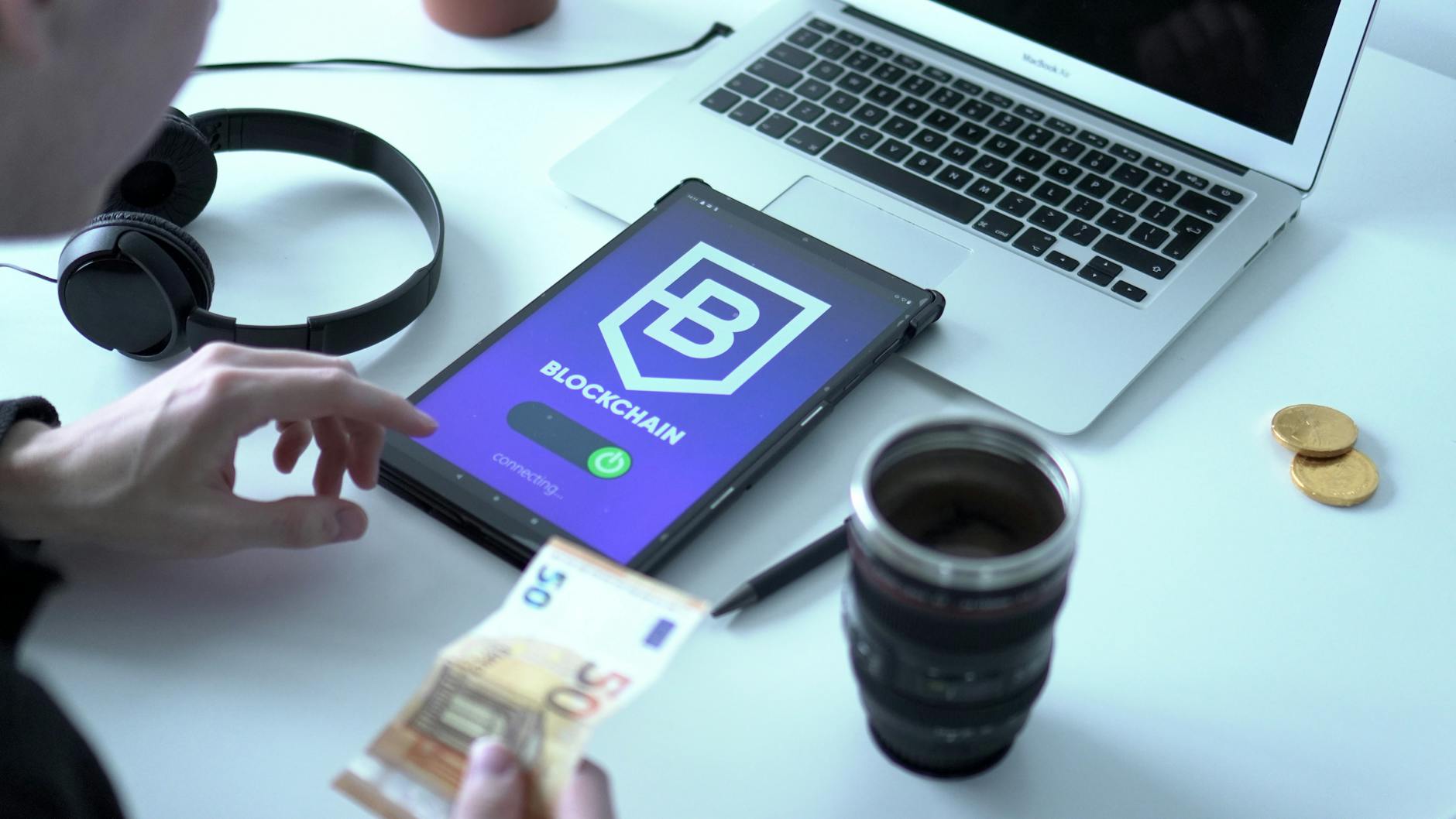
Explain Blockchain Technology Switzerland: A Deep Dive
explain blockchain technology switzerland

Explain Blockchain Technology Switzerland: A Deep Dive

Unlock the complexities of blockchain and discover why Switzerland stands at the forefront of its global adoption and development.

Explore Swiss Blockchain

Key Takeaways

  • ✓ Blockchain is a decentralized, distributed ledger technology.
  • ✓ Switzerland is a global leader in blockchain innovation, particularly in 'Crypto Valley' Zug.
  • ✓ The Swiss government has established clear and progressive regulatory frameworks for blockchain.
  • ✓ Blockchain applications extend beyond cryptocurrency to supply chain, finance, and digital identity.

How It Works

1
Transaction Initiation

A participant initiates a transaction, which could be a cryptocurrency transfer, a smart contract execution, or data record. This transaction is cryptographically signed by the initiator.

2
Verification & Network Broadcast

The proposed transaction is broadcast to a network of computers (nodes) for validation. These nodes verify the transaction's authenticity and ensure it adheres to the network's rules, preventing fraud or double-spending.

3
Block Creation & Consensus

Once verified, the transaction is bundled with other verified transactions into a 'block'. This block is then added to the existing blockchain after a consensus mechanism (like Proof of Work) is completed by the network, securing its integrity.

4
Immutable Ledger Update

The newly added block is timestamped and cryptographically linked to the previous block, forming an unbroken chain. This makes the transaction record permanent and tamper-proof across all distributed copies of the ledger.

Understanding the Fundamentals of Blockchain Technology

Hand writing 'ETH' on a whiteboard, highlighting Ethereum concept. Photo: RDNE Stock project / Pexels
To truly explain blockchain technology in Switzerland, we must first grasp its foundational principles, irrespective of geographical context. At its core, blockchain is a distributed, immutable ledger system designed to record transactions and track assets across a peer-to-peer network. Imagine a shared, continuously updated database that isn't controlled by any single entity. Instead, it's maintained and verified by a network of computers. Every transaction, once verified, is added as a 'block' to a growing chain of records, secured using advanced cryptography. This creates a transparent and tamper-proof history that is accessible to all participants in the network. The key characteristics that define blockchain technology are decentralization, immutability, transparency, and security. Decentralization means there's no central authority; instead, the network collaboratively maintains the ledger. This eliminates single points of failure and reduces the risk of censorship or manipulation. Immutability ensures that once a transaction is recorded on the blockchain, it cannot be altered or deleted. This permanence provides a high degree of trust and integrity to the data. Transparency, while often misunderstood, refers to the fact that all participants can see the transactions on the ledger, though the identities of the participants might be pseudonymous. Finally, security is inherent in its cryptographic nature, where each block is cryptographically linked to the previous one, making it extremely difficult to tamper with past records. These features collectively pave the way for revolutionary applications far beyond just cryptocurrencies. Understanding these basics is crucial before delving into how Switzerland has embraced and shaped this technology. The implications for various industries, from finance to logistics, are profound, promising enhanced efficiency, reduced costs, and increased trust. This foundational knowledge allows us to appreciate the unique regulatory and innovative environment that Switzerland has cultivated for this transformative technology. For more on the broader impact of this technology, consider exploring how blockchain is changing industries globally.

Switzerland's Pioneering Role in Blockchain Innovation

Close-up of bitcoins on a shimmering gold background, symbolizing digital wealth and investment. Photo: Alesia Kozik / Pexels
Switzerland has emerged as a global frontrunner in the blockchain revolution, cultivating an environment uniquely conducive to its growth and development. This leadership isn't accidental; it's the result of a deliberate strategy combining progressive regulation, a strong financial sector, and a vibrant startup ecosystem. The cornerstone of Switzerland's blockchain success is undoubtedly 'Crypto Valley' in Zug. This region has become a magnet for blockchain companies, developers, and investors, earning its reputation as a global hub for decentralized technologies. The canton of Zug actively supports blockchain initiatives, even accepting cryptocurrencies for certain government services, signaling a forward-thinking approach that few other jurisdictions can match. What sets Switzerland apart is its ability to balance innovation with regulatory clarity. Unlike many nations grappling with how to classify and govern blockchain assets, the Swiss Financial Market Supervisory Authority (FINMA) has provided clear guidance, particularly for initial coin offerings (ICOs) and security tokens. This regulatory certainty has significantly reduced risk for businesses operating in the space, attracting high-quality projects and fostering legitimate development. Furthermore, Switzerland's long-standing tradition of privacy and data protection aligns well with the principles of secure, decentralized systems, making it an attractive location for companies focused on digital identity and secure data management. The country's robust legal framework, combined with a highly skilled workforce and access to capital, creates a fertile ground for blockchain innovation to flourish. This supportive ecosystem has led to the establishment of numerous blockchain enterprises, ranging from startups developing new protocols to established financial institutions exploring blockchain solutions for traditional services. The commitment to fostering this technology is evident in academic research, government initiatives, and private sector investment, collectively solidifying Switzerland's position as a global leader in the blockchain landscape.

Key Applications and Use Cases of Blockchain in Switzerland

Smartphone displaying blockchain application resting on a laptop, symbolizing modern technology and finance. Photo: Morthy Jameson / Pexels
Beyond the headlines of Bitcoin and Ethereum, blockchain technology in Switzerland is being leveraged across a diverse range of sectors, demonstrating its versatility and transformative potential. The financial industry, a cornerstone of the Swiss economy, is naturally at the forefront. Swiss banks and financial institutions are actively exploring and implementing blockchain for improved payment systems, asset tokenization, trade finance, and digital identity verification. Projects involving tokenized real estate, art, and even traditional securities are gaining traction, promising greater liquidity and fractional ownership. Smart contracts, self-executing agreements encoded directly on the blockchain, are revolutionizing legal and business processes, reducing the need for intermediaries and increasing efficiency in various transactions. Supply chain management is another area where blockchain is making significant inroads. Swiss companies are utilizing distributed ledger technology to enhance transparency, traceability, and accountability throughout complex supply chains. From tracking luxury goods and pharmaceuticals to ensuring the ethical sourcing of raw materials, blockchain provides an immutable record of a product's journey from origin to consumer. This not only builds consumer trust but also helps combat counterfeiting and improve efficiency. Furthermore, the public sector in Switzerland is embracing blockchain for various administrative functions. Examples include digital identity solutions, electronic voting trials, and land registry records, aiming to streamline bureaucratic processes and enhance data security. The city of Zug, for instance, has pioneered digital identities based on blockchain, allowing citizens to interact with municipal services more securely and efficiently. These diverse applications underscore Switzerland's holistic approach to integrating blockchain into its economic and societal fabric, moving beyond speculative investments to practical, real-world solutions. The country's proactive stance on regulatory clarity has been instrumental in facilitating these diverse applications, providing a stable environment for innovation to thrive and scale. For more insights into how blockchain is impacting global markets, read about the future of decentralized finance.

Navigating the Regulatory Landscape: Switzerland's Approach to DLT

Businesswoman analyzing financial charts on smartphone with laptop and documents. Photo: Yan Krukau / Pexels
Switzerland's approach to regulating Distributed Ledger Technology (DLT) and blockchain is often cited as a global benchmark, striking a pragmatic balance between fostering innovation and ensuring market integrity. The Swiss Financial Market Supervisory Authority (FINMA) has played a pivotal role in providing clarity, issuing comprehensive guidelines for initial coin offerings (ICOs) and classifying tokens based on their underlying economic function (payment, utility, or asset tokens). This nuanced classification provides a predictable framework for businesses, allowing them to understand their regulatory obligations from the outset. Furthermore, the Swiss government enacted the DLT Act (Blockchain Act) in 2021, which specifically amends existing federal laws to explicitly accommodate DLT-based securities and facilitate their trading. This legislative foresight has significantly reduced legal uncertainties for DLT-based financial market infrastructures and other blockchain enterprises. Key aspects of Switzerland's regulatory framework include:
  • Clear Token Classification: FINMA's guidelines distinguish between different types of tokens, determining applicable regulations.
  • DLT Act: Amends existing laws to integrate DLT into corporate and securities law, enabling DLT-based securities.
  • Sandbox Approach: FINMA offers a regulatory sandbox for fintech companies, allowing them to test innovative business models with limited regulatory requirements.
  • Anti-Money Laundering (AML) Compliance: Strict AML regulations apply to blockchain businesses, aligning with international standards.
  • Tax Clarity: The Swiss Federal Tax Administration has issued guidance on the taxation of cryptocurrencies and blockchain assets.
This comprehensive and adaptive regulatory environment has been crucial in attracting blockchain startups and established firms alike, contributing significantly to Switzerland's status as a leading blockchain jurisdiction. It demonstrates a commitment to understanding and integrating new technologies rather than stifling them with outdated regulations, creating a competitive advantage for the Swiss economy in the global digital landscape.

Comparison

FeatureSwitzerland (DLT Act)EU (MiCA)USA (Fragmented)
Regulatory ClarityHighDevelopingLow
Token ClassificationExplicit (FINMA)ComprehensiveCase-by-case
DLT Securities Legal Basis✓ (DLT Act)Developing✗ (Traditional laws)
Innovation SupportVery HighHighModerate
Tax GuidanceClearVaryingComplex
Jurisdictional AppealGlobal HubRegional PowerMajor Market

What Readers Say

"The explanation of blockchain technology in Switzerland provided a crystal-clear understanding of its nuances. It's incredibly helpful for anyone looking to enter this space in the region."

Dr. Anya Sharma · Zurich, Switzerland

"This article perfectly captures why Switzerland is a leader in blockchain. The details on Crypto Valley and regulatory clarity were particularly insightful for my business plans."

Marc-André Dubois · Geneva, Switzerland

"As a student, I found the breakdown of blockchain's core principles and its applications in Switzerland extremely valuable. It helped me understand the practical implications far better than other resources."

Sophia Müller · Bern, Switzerland

"While excellent, I would have loved to see more specific examples of smaller Swiss startups leveraging blockchain. Still, the overall explanation of blockchain technology in Switzerland is top-notch."

Thomas Meier · Zug, Switzerland

"The sections on regulatory frameworks were a game-changer for my research. Understanding Switzerland's DLT Act and FINMA's role is crucial for anyone engaging with blockchain here."

Elena Petrova · Lausanne, Switzerland

Frequently Asked Questions

What makes Switzerland a 'Crypto Valley'?

Switzerland, particularly the canton of Zug, is known as 'Crypto Valley' due to its highly supportive ecosystem for blockchain and cryptocurrency companies. This includes progressive regulatory frameworks, a high concentration of blockchain startups and experts, and government initiatives that embrace digital currencies and DLT.

Is blockchain technology legal in Switzerland?

Yes, blockchain technology is legal and actively supported in Switzerland. The country has established clear and comprehensive legal and regulatory frameworks, including the DLT Act, to accommodate and foster innovation in the blockchain space, providing legal certainty for businesses.

How does Switzerland regulate cryptocurrencies and ICOs?

The Swiss Financial Market Supervisory Authority (FINMA) regulates cryptocurrencies and ICOs by classifying tokens into payment, utility, or asset categories. This classification determines which existing financial market regulations apply, offering clear guidance for market participants.

What are the main benefits of using blockchain in Switzerland?

The main benefits include enhanced transparency and traceability in transactions, increased security through cryptographic immutability, reduced operational costs by eliminating intermediaries, and access to a supportive regulatory and innovative ecosystem for development and deployment.

How does Switzerland's blockchain regulation compare to other countries?

Switzerland's blockchain regulation is often considered one of the most progressive and clear globally. Unlike many countries with fragmented or uncertain regulations, Switzerland has proactively enacted specific laws like the DLT Act, providing a stable and predictable environment for blockchain businesses.

Who should consider leveraging blockchain technology in Switzerland?

Businesses and individuals involved in finance, supply chain management, digital identity solutions, legal services, and any sector requiring secure, transparent, and immutable record-keeping should consider leveraging blockchain technology in Switzerland, given its robust ecosystem.

Are there risks associated with blockchain adoption in Switzerland?

While Switzerland offers a favorable environment, risks include technological complexities, cybersecurity threats inherent in any digital system, evolving regulatory interpretations (though stable), and market volatility for crypto-assets. Due diligence and expert consultation are always advised.

What is the future outlook for blockchain technology in Switzerland?

The future outlook for blockchain technology in Switzerland is exceptionally bright. With continuous regulatory innovation, strong academic research, and a thriving private sector, Switzerland is poised to remain a global leader in developing and implementing advanced DLT solutions across various industries.

Embark on your blockchain journey with confidence. Switzerland offers an unparalleled environment for innovation and growth in decentralized technologies. Explore how this pioneering nation is shaping the future of digital trust and efficiency.

Topics: explain blockchain technology switzerlandswiss blockchain innovationcryptovalley zugdecentralized ledger technology switzerlandblockchain regulation switzerland
Leo List
Brampton weed
Adultwork EstrelaBet Vai de Bet R7 Bet Betão Galera Bet Rainbet Bet9ja Shop SportyBet BetKing Sisal Loto Foot Hollywoodbets YesPlay Odibets RushBet Jugabet BetWarrior BetCity MSport betPawa Fortebet