✓ Switzerland boasts one of the highest densities of EV charging stations in Europe.
✓ The country aims for 100% renewable energy by 2050, heavily supporting EV adoption.
✓ Both AC (slow) and DC (fast) charging options are widely available.
✓ Interoperability and payment systems are continuously improving for user convenience.
How It Works
1
Locate a Charging Station
Use dedicated apps (e.g., PlugShare, ChargeMap) or your car's navigation to find available charging points. Filters allow you to select by connector type, speed, and network.
2
Connect Your EV
Once at the station, connect the appropriate charging cable to your vehicle and the station. Ensure a secure connection before initiating the charging process.
3
Authenticate and Start
Authenticate using an RFID card, mobile app, or sometimes a credit card directly at the station. Follow the on-screen prompts to begin charging, noting the session details.
4
Monitor and Disconnect
Monitor your charging progress via the station's display or your car's app. Once complete or sufficient, stop the session, disconnect your cable, and return it to its holder.
The Evolving Landscape of EV Charging in Switzerland
Photo: smart-me AG / Pexels
Switzerland, a pioneer in sustainable development, has made significant strides in building a robust infrastructure for electric vehicles. The country's commitment to reducing carbon emissions and promoting green technologies is evident in the rapid expansion of electric car charging stations. From bustling city centers to serene alpine villages, the network of charging points is growing, making range anxiety a relic of the past for most EV drivers. This extensive infrastructure includes a diverse range of charging solutions, catering to various needs and vehicle types. Public charging stations are strategically located along major highways, in urban parking garages, at supermarkets, and even at many hotels and restaurants, ensuring that drivers are never far from a power source. The Swiss government, alongside private enterprises, has invested heavily in developing this network, recognizing that accessible charging is paramount for widespread EV adoption. This proactive approach has positioned Switzerland as a leading nation in electric mobility, offering a seamless experience for both residents and tourists alike.
The types of charging stations available are varied, encompassing everything from standard AC (Alternating Current) chargers, suitable for overnight or longer-duration parking, to high-power DC (Direct Current) fast chargers, capable of replenishing a significant portion of a battery in under an hour. These rapid chargers are particularly vital for long-distance travel and for drivers who need a quick top-up during their daily commute. Understanding the different types of connectors and power outputs is crucial for EV owners to maximize their charging efficiency. Common connector types in Switzerland include Type 2 for AC charging and CCS Combo 2 for DC fast charging, which are standard across Europe. Tesla Superchargers also form a significant part of the fast-charging network, increasingly open to non-Tesla vehicles.
Furthermore, the Swiss charging ecosystem is characterized by its emphasis on renewable energy. A substantial portion of the electricity supplied to charging stations originates from hydropower, solar, and wind sources, reinforcing the environmental benefits of driving an EV in Switzerland. This commitment to green energy not only reduces the carbon footprint associated with transportation but also aligns with Switzerland's broader climate goals. The integration of smart charging technologies is also on the rise, allowing for optimized energy consumption and grid management. These systems can communicate with the grid to charge vehicles during off-peak hours or when renewable energy generation is abundant, contributing to a more stable and efficient energy system. The future of electric car charging stations in Switzerland looks promising, with continuous innovation and expansion expected to further enhance the EV driving experience. Exploring the latest in electric vehicle technology often goes hand-in-hand with understanding charging infrastructure developments. This dynamic environment ensures that Switzerland remains at the forefront of sustainable transportation. The convenience of finding and using these stations is continually improving through various digital platforms and standardized payment methods, making the transition to electric vehicles smoother for everyone.
Types of Charging Stations and Connectors in Switzerland
Photo: Engin Akyurt / Pexels
Navigating the world of electric vehicle charging can initially seem complex, but understanding the different types of charging stations and connectors available in Switzerland simplifies the process significantly. The country offers a comprehensive range of options, designed to meet every driver's needs, whether they require a quick boost or an overnight charge. At the foundational level, charging stations are categorized by their power output and the type of current they deliver: AC (Alternating Current) or DC (Direct Current).
AC charging, often referred to as Level 2 charging, is the most common type found at homes, workplaces, and many public locations. These stations typically deliver power ranging from 3.7 kW to 22 kW. In Switzerland, the standard connector for AC charging is the Type 2 (Mennekes) connector. This versatile connector is compatible with virtually all modern electric vehicles sold in Europe. While 3.7 kW and 7.4 kW chargers are suitable for overnight charging, providing a full charge in 6-12 hours depending on the car's battery size, 11 kW and 22 kW AC chargers can significantly reduce charging times, especially for vehicles equipped with a three-phase onboard charger. These are ideal for situations where a car is parked for several hours, such as during a workday or while shopping.
For faster charging, DC fast chargers, also known as Level 3 chargers or rapid chargers, are indispensable. These stations bypass the car's onboard charger and feed DC power directly to the battery, allowing for much quicker replenishment. Power outputs for DC fast chargers in Switzerland typically range from 50 kW to an impressive 350 kW. The dominant connector standard for DC fast charging in Switzerland and across Europe is CCS Combo 2 (Combined Charging System). This connector integrates both AC and DC charging capabilities into a single port on the vehicle, offering maximum flexibility. High-power DC chargers can add hundreds of kilometers of range in just 20-30 minutes, making them perfect for long road trips or when time is of the essence. Tesla's Supercharger network, while historically proprietary, has increasingly opened its stations to non-Tesla EVs, utilizing the CCS Combo 2 standard for compatibility.
Beyond these mainstream options, some older charging points might still feature Type 1 (J1772) connectors, though these are less common for public use in Switzerland and usually require an adapter for European-spec vehicles. It's also worth noting the presence of CHAdeMO connectors, primarily used by Japanese manufacturers like Nissan and Mitsubishi for DC fast charging. While less prevalent than CCS Combo 2, they are still found at various public charging hubs. Drivers should always verify the connector type available at a station before planning their charge. Many charging apps provide this crucial information, along with real-time availability and pricing. The continuous evolution of charging technology means that while standards like CCS Combo 2 and Type 2 are currently dominant, the industry is always exploring even faster and more efficient charging solutions, promising an even more convenient future for EV drivers in Switzerland.
Costs, Payment Systems, and Apps for EV Charging in Switzerland
Photo: Timothy Huliselan / Pexels
Understanding the costs associated with electric car charging stations in Switzerland and navigating the various payment systems is crucial for a hassle-free EV experience. Unlike refueling a traditional petrol car, EV charging costs can vary significantly based on the provider, charging speed, time of day, and subscription models. Generally, home charging is the most economical option, with costs directly tied to your household electricity tariff. However, for public charging, pricing structures are more diverse.
Public charging tariffs often include a combination of factors: a per-kilowatt-hour (kWh) rate, a per-minute rate (especially for DC fast charging to encourage timely vehicle movement), and sometimes a connection fee. Some providers also offer subscription plans, which might include a monthly fee in exchange for lower charging rates. These plans can be particularly cost-effective for frequent users of a specific network. For instance, a 50 kW DC fast charger might cost anywhere from CHF 0.40 to CHF 0.80 per kWh, while slower AC chargers could be in the range of CHF 0.20 to CHF 0.40 per kWh. It's important to check the specific pricing of the charging station operator before initiating a charge, as these figures can fluctuate.
Payment systems have become increasingly user-friendly, moving away from a multitude of proprietary RFID cards towards more integrated solutions. Many charging networks accept payment via dedicated mobile apps, which allow users to start, stop, and pay for charging sessions directly from their smartphone. These apps often provide real-time information on station availability, connector types, and pricing. Examples of popular apps and networks in Switzerland include ChargePoint, evpass, Plug'n Roll, and Green Motion. Most major networks also support roaming agreements, meaning you can often use an RFID card or app from one provider to charge at stations belonging to another, though roaming charges might apply. Contactless credit card payments (NFC) are also becoming more prevalent at newer charging stations, offering a straightforward 'tap and charge' experience without the need for an app or subscription.
To optimize costs, EV drivers in Switzerland should consider a few strategies. Firstly, prioritize home charging whenever possible, as it's typically the cheapest. Secondly, research and compare pricing across different public networks using charging apps. Many apps will display the cost per kWh or per minute before you start charging. Thirdly, evaluate whether a subscription plan from a frequently used network makes financial sense for your driving habits. Finally, be mindful of peak and off-peak electricity tariffs if your home or workplace charger is connected to a smart grid system. Understanding smart grid technology can further enhance your charging efficiency and cost savings. The goal is to make EV charging as convenient and economical as possible, and the Swiss infrastructure is continually adapting to meet these demands, providing transparent pricing and diverse payment options to suit every driver's preference and budget.
Tips for Seamless EV Charging and Common Mistakes to Avoid
Photo: Reinhard Bruckner / Pexels
Ensuring a seamless electric vehicle charging experience in Switzerland involves a bit of preparation and awareness. Here are some essential tips and common pitfalls to steer clear of, ensuring you always have enough power for your journey:
* **Plan Your Route and Charging Stops:** Don't wait until your battery is critically low. Use apps like PlugShare, ChargeMap, or the in-car navigation system to identify charging stations along your route. These apps often provide real-time availability, connector types, and user reviews, which can be invaluable.
* **Understand Your Car's Charging Capabilities:** Know your EV's maximum AC and DC charging rates and the types of connectors it uses. This prevents you from arriving at a high-speed charger only to find your car can't utilize its full potential, or worse, doesn't have the compatible port.
* **Carry Necessary Adapters (If Applicable):** While Type 2 and CCS Combo 2 are standard, if you own an older EV or one from a specific region, you might need an adapter for certain public AC chargers. Always check in advance.
* **Register with Multiple Charging Networks:** While interoperability is improving, having accounts or RFID cards for 2-3 major networks (e.g., evpass, ChargePoint, Green Motion) can save you from being stranded if one network's station is offline or your preferred payment method isn't accepted.
* **Don't Overstay Your Welcome at Fast Chargers:** DC fast chargers are designed for quick top-ups. Once your car reaches 80% (charging speed typically tapers off significantly after this point), it's courteous and often more cost-effective to move your vehicle to allow others to charge. Some networks also implement idle fees.
* **Check Station Status Before Driving There:** Real-time data in charging apps is usually accurate, but occasionally a station might be out of service. A quick check of recent user comments can provide up-to-date information.
* **Be Aware of Parking Regulations:** Many charging spots are also parking spots. Ensure you understand the parking rules – some require active charging, others have time limits, and some may incur standard parking fees in addition to charging costs.
* **Keep Your Charging Cables Organized:** A tidy cable is a happy cable. Properly coiling and storing your charging cables prevents damage and makes them easier to use. For public charging, you'll primarily use the cables attached to the station itself for DC fast charging, but for AC charging, you'll often need your own Type 2 cable.
* **Monitor Charging Progress:** Use your car's app or the station display to keep an eye on your charging session. This helps prevent overstaying and ensures the session is progressing as expected.
* **Report Issues:** If you encounter a faulty station, report it to the network operator. This helps maintain the quality and reliability of the charging infrastructure for everyone.
By following these tips and avoiding common missteps, your experience with electric car charging stations in Switzerland will be efficient, convenient, and stress-free, allowing you to fully enjoy the benefits of electric mobility.
Comparison
Feature
Home Charging
Public AC Charging
Public DC Fast Charging
Tesla Supercharger
Speed
Slow (3.7-22 kW)
Medium (3.7-22 kW)
Fast (50-350 kW)
Very Fast (150-250 kW)
Cost per kWh
Lowest
Medium
Highest
Medium-High
Convenience
Highest
Good (location dependent)
Good (location dependent)
Excellent (dedicated network)
Connector Type
Type 2 (often)
Type 2
CCS Combo 2 (CHAdeMO less common)
CCS Combo 2 (Tesla & Non-Tesla)
Best Use Case
Overnight/Daily
Longer parking periods
Road trips/Quick top-ups
Long road trips/Rapid charging
What Readers Say
★★★★★
"The network of electric car charging stations in Switzerland has truly transformed my daily commute. I find reliable fast chargers easily in Zurich, and even on my trips to the Alps, range anxiety is a thing of the past. The evpass app makes finding and paying for stations incredibly simple."
Marcel H. · Zurich, Switzerland
★★★★★
"As a new EV owner, I was initially worried about charging, but Switzerland's infrastructure is fantastic. I mostly charge at home, but when I'm out, I've had no trouble finding public AC chargers at supermarkets and hotels. The availability is impressive and the stations are well-maintained."
Sophie L. · Geneva, Switzerland
★★★★★
"Driving my Tesla across Switzerland is a breeze thanks to the excellent Supercharger network, which is now even more versatile with CCS compatibility. I regularly complete trips from Bern to Lugano with minimal charging stops, saving significant time compared to my previous petrol car."
Thomas K. · Bern, Switzerland
★★★★★
"While most electric car charging stations in Switzerland are great, I've occasionally encountered a slow charger that was advertised as faster, which can be a little frustrating on a tight schedule. However, overall reliability and the widespread network still make EV ownership very practical here."
Elena R. · Lausanne, Switzerland
★★★★★
"Even during peak tourist season, I've found it surprisingly easy to locate available electric car charging stations in Switzerland. Whether it's at a mountain resort or a city parking garage, the infrastructure supports both locals and visitors, making my EV rental experience seamless."
Patrick M. · Lucerne, Switzerland
Frequently Asked Questions
What are the most common types of electric car charging stations in Switzerland?
In Switzerland, you'll primarily find AC (Alternating Current) charging stations, typically with Type 2 connectors, and DC (Direct Current) fast charging stations, predominantly with CCS Combo 2 connectors. Tesla Superchargers, increasingly open to non-Tesla vehicles, also utilize CCS Combo 2.
Is range anxiety still a concern for EV drivers in Switzerland?
No, range anxiety is largely a thing of the past in Switzerland. The country boasts a dense and continuously expanding network of charging stations, including numerous fast chargers along major routes and in urban centers, making long-distance travel and daily commutes highly convenient for EV owners.
How do I pay for charging at public electric car charging stations in Switzerland?
Payment for public charging in Switzerland is typically done via dedicated mobile apps linked to various charging networks, RFID cards provided by these networks, or increasingly, directly with contactless credit cards (NFC) at the charging station itself. Roaming agreements between networks also allow for wider access.
How much does it cost to charge an electric car in Switzerland?
The cost varies significantly. Home charging is the cheapest, aligned with household electricity rates. Public AC charging can range from CHF 0.20 to CHF 0.40 per kWh, while DC fast charging is more expensive, typically between CHF 0.40 and CHF 0.80 per kWh, sometimes with additional per-minute or connection fees.
Are there enough fast chargers for long-distance travel in Switzerland?
Yes, Switzerland has a robust network of DC fast chargers strategically placed along highways and in key locations, making long-distance travel across the country very feasible for electric vehicles. This network is continually growing to meet increasing demand.
Who should consider driving an EV in Switzerland?
Anyone looking to reduce their environmental footprint, save on fuel costs, and enjoy a quiet, smooth driving experience should consider an EV in Switzerland. The excellent charging infrastructure supports both urban commuters and those who frequently travel across the country.
Are electric car charging stations in Switzerland powered by renewable energy?
Many charging stations in Switzerland, especially those operated by larger networks and utilities, explicitly source their electricity from renewable energy, predominantly hydropower, solar, and wind. This commitment enhances the environmental benefits of driving an electric vehicle in the country.
What is the future trend for EV charging infrastructure in Switzerland?
The future trend points towards even greater density of charging points, higher power outputs for ultra-fast charging, enhanced interoperability between networks, and increased integration of smart grid technologies to optimize energy use and integrate more renewable sources. Expect even more seamless experiences.
Embrace the future of sustainable driving with confidence. With this comprehensive guide, you're now equipped to navigate the excellent network of electric car charging stations in Switzerland, ensuring every journey is efficient, cost-effective, and enjoyable. Start your electric adventure today!
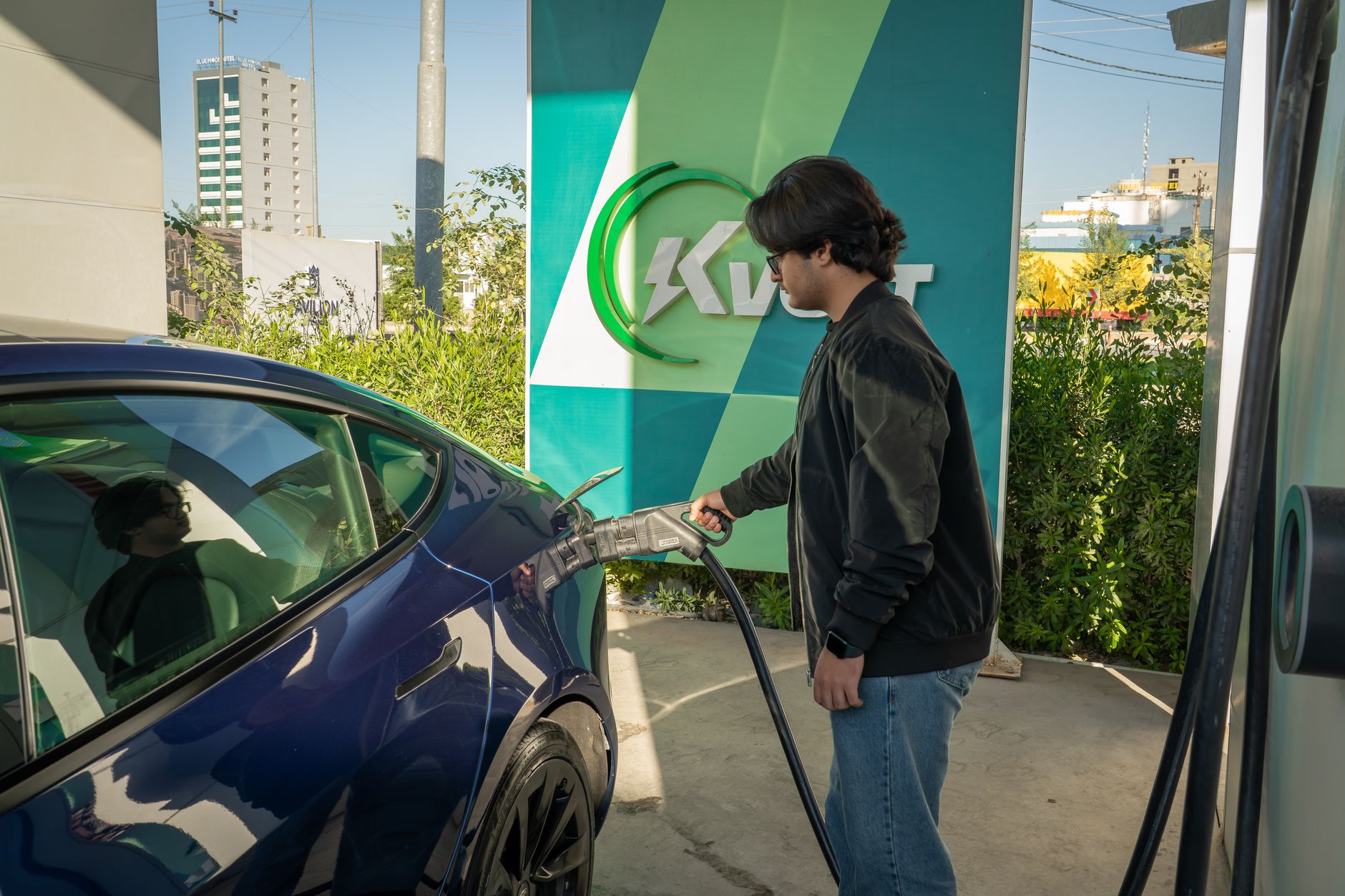
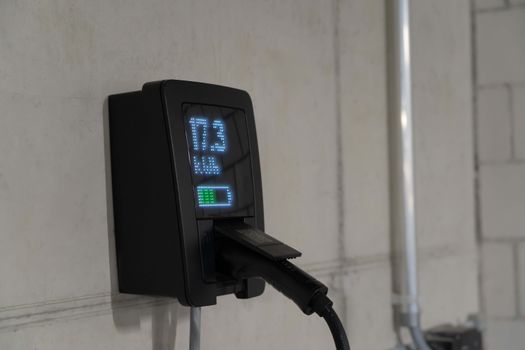 Photo: smart-me AG / Pexels
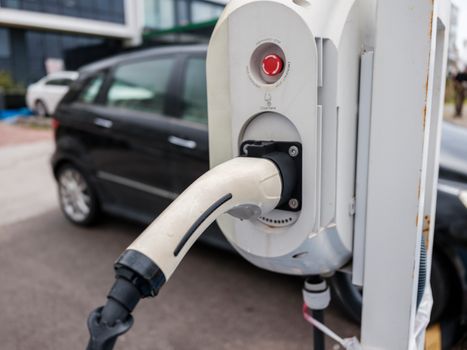 Photo: Engin Akyurt / Pexels
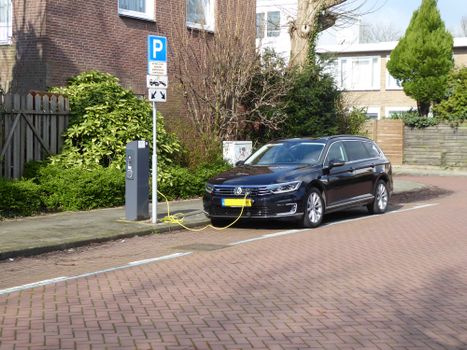 Photo: Timothy Huliselan / Pexels
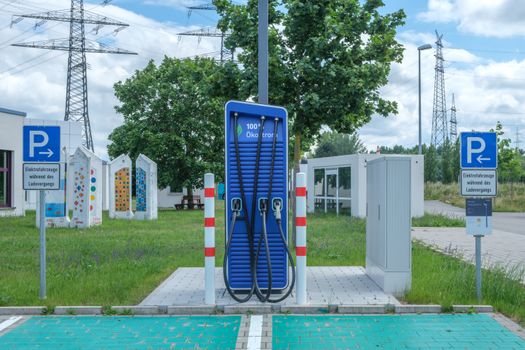 Photo: Reinhard Bruckner / Pexels