Compare Virtual Reality Headsets Switzerland: Your Ultimate Guide
compare virtual reality headsets Switzerland

Compare Virtual Reality Headsets Switzerland: Your Ultimate Guide

Unlock immersive worlds with the perfect VR headset, tailored for the Swiss market and your unique needs.

Find Your VR Match

Key Takeaways

  • ✓ Switzerland's VR market is growing, with diverse options for consumers.
  • ✓ Headsets range from standalone to PC-tethered, each with pros and cons.
  • ✓ Key factors for selection include resolution, field of view, and tracking.
  • ✓ Local availability and warranty support are crucial for Swiss buyers.

How It Works

1
Define Your Purpose

Consider if you'll use VR for gaming, professional applications, or casual entertainment. Your primary use case will heavily influence the type of headset best suited for you.

2
Evaluate Technical Specifications

Compare resolution, refresh rate, field of view (FoV), and tracking capabilities. These specs directly impact the immersion and comfort of your VR experience.

3
Check Compatibility and Ecosystem

Determine if you need a PC-tethered headset (requiring a powerful gaming PC) or a standalone unit. Also, consider the available content library for each platform.

4
Consider Budget and Local Availability

Set a realistic budget, factoring in potential accessories and games. Research Swiss retailers and online stores for pricing, warranty, and customer support to ensure a smooth purchase and ownership experience.

Understanding the Swiss VR Market: What to Look For
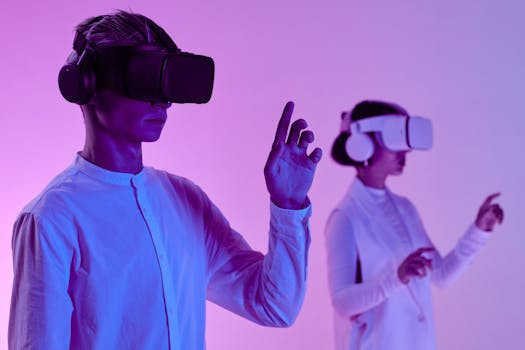
Two people engage in a futuristic virtual reality simulation with headsets and vibrant lighting. Photo: Michelangelo Buonarroti / Pexels
The landscape of virtual reality headsets in Switzerland is dynamic and growing, offering a wide array of choices for enthusiasts and newcomers alike. When you set out to compare virtual reality headsets Switzerland, it's not just about the hardware specifications; it's also about understanding the local market nuances. Swiss consumers often prioritize quality, durability, and reliable after-sales support, which are crucial considerations when investing in technology like VR. From standalone units that offer unparalleled freedom to PC-tethered behemoths that push graphical fidelity to its limits, the options are plentiful. Key factors to scrutinize include the headset's resolution and refresh rate, which directly impact visual clarity and smoothness. A higher resolution means less 'screen-door effect' and sharper images, while a higher refresh rate (e.g., 90Hz, 120Hz) reduces motion sickness and enhances the sense of presence. Furthermore, the field of view (FoV) dictates how expansive your virtual world appears; a wider FoV contributes significantly to immersion. Beyond these technical aspects, consider the tracking system. Inside-out tracking, common in standalone headsets, uses cameras on the headset to map your environment, eliminating the need for external base stations. Outside-in tracking, often found in PC VR systems, offers highly precise tracking but requires a more complex setup. For Swiss users, the availability of these systems from local retailers is a practical concern. Compatibility with existing hardware, especially if you own a high-end gaming PC, is another vital point. Some headsets are platform-agnostic, while others are deeply integrated into specific ecosystems like SteamVR or Oculus (Meta). The content library associated with each platform can be a deal-breaker, as a powerful headset is only as good as the experiences it can deliver. Warranty and repair services within Switzerland are also paramount. Purchasing from a reputable Swiss dealer ensures that you have recourse in case of defects or issues, which might not be as straightforward when buying from international vendors. This holistic approach ensures that your investment in virtual reality is sound and tailored to the unique demands of the Swiss consumer. For a deeper dive into the broader tech landscape, explore our guide on emerging tech trends.

Standalone vs. PC VR Headsets: A Detailed Comparison for Switzerland

When you compare virtual reality headsets Switzerland, a fundamental decision revolves around choosing between standalone and PC-tethered VR systems. Each category offers a distinct experience with its own set of advantages and disadvantages, particularly relevant for the Swiss market. Standalone VR headsets, exemplified by devices like the Meta Quest series, are all-in-one units that do not require an external computer or console. They house their own processors, displays, and batteries, offering unparalleled freedom of movement. This plug-and-play simplicity makes them incredibly appealing for casual users, social VR experiences, and those with limited space or a desire for portability. For Swiss consumers, the ease of setup and the ability to use them in various locations – from a living room in Zurich to a holiday chalet in the Alps – is a significant draw. The primary drawback of standalone headsets often lies in their processing power; while they can deliver impressive graphics, they typically cannot match the visual fidelity and complexity of experiences rendered by a high-end gaming PC. However, advancements in chip technology are rapidly closing this gap, with newer standalone models offering increasingly sophisticated visuals. Furthermore, the content ecosystem for standalone VR is robust and growing, with a wide range of games, fitness apps, and social platforms readily available. PC VR headsets, such as the Valve Index or HTC Vive Pro 2, demand a powerful gaming computer to operate. These systems leverage the PC's superior graphics processing unit (GPU) to render highly detailed, graphically intensive virtual worlds. This results in breathtaking visuals, higher refresh rates, and often a wider field of view, providing the most immersive VR experience currently possible. For dedicated gamers, professional designers, or those seeking cutting-edge simulations, PC VR is the undisputed champion. The downside, particularly in Switzerland where electronics can be pricier, is the significant upfront investment in both the headset and a capable PC. Installation can also be more complex, often requiring external base stations for tracking, which need careful placement. Cable management can be a concern, though wireless adapters are available for some models. The content library for PC VR, primarily driven by platforms like SteamVR, is vast and features many of the most graphically demanding and critically acclaimed VR titles. For Swiss users considering a PC VR setup, ensuring their home internet speed can handle large game downloads and updates is also a practical consideration. Ultimately, the choice hinges on your budget, your existing hardware, and your desired level of graphical immersion.

Top Virtual Reality Headsets Available in Switzerland: Features and Pricing

When you look to compare virtual reality headsets Switzerland, several leading models consistently stand out, each offering a unique blend of features and catering to different user needs and budgets. Understanding their core offerings and typical price points in the Swiss market is crucial for making an informed decision. **Meta Quest 3:** This standalone powerhouse is arguably one of the most popular choices globally, and its presence in Switzerland is strong. Known for its excellent inside-out tracking, a vast content library (including exclusive titles), and a relatively accessible price point, the Quest 3 offers a fantastic entry point into VR. It boasts improved resolution, a snappier processor than its predecessors, and full-color passthrough for mixed reality experiences. Its versatility allows for both standalone use and PC VR connectivity via Meta Link or Air Link, making it a highly flexible option. Swiss retailers typically stock the Quest 3, and pricing is competitive, often ranging from CHF 550 to CHF 700 depending on storage capacity. **Valve Index:** For the discerning VR enthusiast with a powerful gaming PC, the Valve Index remains a benchmark for high-fidelity PC VR. It features industry-leading refresh rates (up to 144Hz), a wide field of view, and the innovative 'Knuckles' controllers, which offer individual finger tracking for unparalleled immersion. The Index system requires external base stations for precise room-scale tracking, making setup more involved but delivering exceptional accuracy. However, its premium performance comes with a premium price tag; a full kit in Switzerland can easily exceed CHF 1,200 to CHF 1,500. It's often available through specialized online tech retailers or direct import, so local warranty support should be verified. **HTC Vive Pro 2:** Another high-end contender in the PC VR space, the Vive Pro 2 offers an incredibly high resolution display, making it ideal for professional applications and those who demand the crispest visuals. It also features a wide field of view and robust tracking capabilities using SteamVR's Lighthouse system. While the headset itself is powerful, the full kit, including controllers and base stations, positions it in a similar price bracket to the Valve Index. It's a strong choice for users who prioritize visual clarity above all else. Availability in Switzerland is generally good through electronics chains and online stores. **PlayStation VR2:** For PlayStation 5 owners, the PS VR2 offers a compelling console-based VR experience. It boasts a stunning OLED display, haptic feedback in the headset, and eye-tracking technology, delivering a highly immersive and comfortable experience without the need for a high-end PC. Its strength lies in its exclusive game library, leveraging the PS5's power for optimized VR titles. The price point is generally around CHF 600-700 for the headset and controllers, making it an attractive option for existing PS5 owners. This provides a focused and streamlined VR ecosystem. For more information on optimizing your tech setup, consider reading about home network solutions.

Common Mistakes to Avoid When Buying VR Headsets in Switzerland

Navigating the virtual reality market, especially in a specific region like Switzerland, can be tricky. Avoiding common pitfalls will ensure a smoother purchase and a more satisfying VR experience. Here are some key mistakes to watch out for: * **Underestimating PC Requirements (for PC VR):** Many first-time buyers are attracted to the high-fidelity graphics of PC VR but fail to check if their existing computer meets the demanding specifications. A subpar GPU or CPU will lead to stuttering, low frame rates, and a generally poor experience. Always cross-reference the headset's minimum and recommended PC specs with your own system before purchasing. * **Ignoring Local Warranty and Support:** While tempting to buy from international online retailers for a slightly lower price, be very cautious about warranty and repair services. In Switzerland, consumer protection laws are strong, but they apply primarily to products bought from local vendors. If you purchase from abroad, returning a faulty unit or getting repairs can be a logistical nightmare and costly. Prioritize Swiss retailers for peace of mind. * **Not Considering Comfort and Fit:** VR headsets are worn for extended periods, and comfort is paramount. Factors like weight distribution, strap design, and IPD (inter-pupillary distance) adjustment can significantly impact your experience. If possible, try on different models at a local electronics store or VR arcade before committing. A headset that doesn't fit well can cause discomfort, headaches, and eye strain. * **Overlooking the Content Ecosystem:** A powerful headset is useless without compelling content. Research the available games, apps, and experiences for your chosen platform. Some platforms have exclusive titles that might be a deciding factor. Don't assume all VR content is available on all headsets. * **Neglecting Room Scale and Play Space:** Especially for room-scale VR, you need adequate clear space. Measure your intended play area and compare it to the headset's requirements. Tripping over furniture or hitting walls can quickly ruin the immersion and potentially damage your equipment or yourself. * **Forgetting About Accessories:** Beyond the headset, consider necessary accessories like prescription lens inserts (if you wear glasses), extra facial interfaces for hygiene or comfort, longer cables, or wireless adapters. These can add to the total cost and should be factored into your budget. * **Impulsive Buying:** The VR market evolves rapidly. Take your time, read reviews, watch comparison videos, and perhaps even try a friend's headset if possible. Don't rush into a purchase based solely on marketing hype. By being mindful of these common mistakes, you can make a more informed decision and ensure your venture into virtual reality in Switzerland is a truly enjoyable one.

Comparison

FeatureMeta Quest 3 (Standalone/PC VR)Valve Index (PC VR)PlayStation VR2 (PS5 Only)
TypeStandalone / PC VR (Link)PC VRConsole VR (PS5)
Resolution (per eye)2064x22081440x16002000x2040
Refresh Rate90Hz, 120Hz (experimental)80Hz, 90Hz, 120Hz, 144Hz90Hz, 120Hz
Field of View (approx.)110° horizontal, 96° vertical130° horizontal110° horizontal
TrackingInside-outOutside-in (Lighthouse)Inside-out
ControllersMeta Touch PlusValve Index ControllersSense Controllers
Eye Tracking
Local Swiss Price (approx.)CHF 550-700CHF 1200-1500 (full kit)CHF 600-700

What Readers Say

"After hours of research to compare virtual reality headsets Switzerland, I chose the Meta Quest 3. The standalone freedom is fantastic for my small apartment, and the local Swiss warranty from Digitec gave me peace of mind. Highly recommend for casual gaming!"

Marc S. · Geneva, Vaud

"The Valve Index was a significant investment, but the immersion for flight simulators is unmatched. Buying from a Swiss online specialist ensured quick delivery and reliable support, which was crucial for such a premium product."

Sophie L. · Zurich, Zurich

"As a PS5 owner, the PS VR2 was a no-brainer. The OLED screen is stunning, and the haptics add so much to the experience. It integrates seamlessly with my existing console setup, making it incredibly convenient to jump into VR worlds."

David P. · Bern, Bern

"I tried several headsets in Switzerland before settling on the Quest 2 for its value. While the Quest 3 offers better visuals, the 2 still provides a great entry into VR without breaking the bank. Local availability was a big plus for trying it out first."

Elena R. · Lucerne, Lucerne

"For my architectural visualization work, the high resolution of the HTC Vive Pro 2 was essential. Comparing virtual reality headsets in Switzerland, I found it offered the best clarity for professional tasks, purchased with excellent service from a local tech store."

Thomas K. · Basel, Basel-Stadt

Frequently Asked Questions

What are the best virtual reality headsets to compare in Switzerland for gaming?

For dedicated PC VR gaming, the Valve Index and HTC Vive Pro 2 offer top-tier experiences. If you prefer standalone or console gaming, the Meta Quest 3 and PlayStation VR2 (for PS5 owners) are excellent choices with vast game libraries and strong performance.

Is it better to buy a VR headset from a Swiss retailer or an international one?

It is generally recommended to buy from a reputable Swiss retailer. This ensures you benefit from local consumer protection laws, easier warranty claims, and more straightforward customer support in case of issues, avoiding potential customs fees or shipping complexities from international purchases.

How do I ensure a VR headset is comfortable before buying it?

The best way is to try it on! Many larger electronics stores in Switzerland (like MediaMarkt or Fust) or dedicated VR arcades might have demo units. Pay attention to weight distribution, strap adjustments, and ensure the IPD (inter-pupillary distance) is adjustable to match your eyes.

What is the typical price range for virtual reality headsets in Switzerland?

Prices vary significantly based on type and features. Standalone headsets like the Meta Quest 3 typically range from CHF 550-700. High-end PC VR systems such as the Valve Index or HTC Vive Pro 2 (full kits) can cost CHF 1200-1500+. Console VR like the PS VR2 is usually around CHF 600-700.

What's the main difference between standalone and PC VR headsets?

Standalone headsets are all-in-one units that don't need an external PC, offering portability and ease of use. PC VR headsets require a powerful computer to run, delivering superior graphics and performance for the most immersive experiences, but at a higher total cost.

Who should consider buying a PlayStation VR2 in Switzerland?

The PlayStation VR2 is an ideal choice for existing PlayStation 5 owners who want a high-quality, streamlined VR experience without investing in a gaming PC. Its exclusive game library and integrated features make it a compelling option for console gamers.

Are there any health or safety concerns with using VR headsets?

Common concerns include motion sickness, eye strain, and potential for accidental injury if not used in a clear space. Always take breaks, ensure proper fit, and follow manufacturer guidelines for safe use. Most modern headsets include guardian systems to prevent collisions.

What future trends should I consider when comparing VR headsets in Switzerland?

Look out for advancements in mixed reality capabilities, higher resolution displays, wireless PC VR solutions, and more compact, lightweight designs. Haptic feedback integration and improved eye-tracking are also areas of rapid development that will enhance future VR experiences.

Ready to dive into new realities? Use this comprehensive guide to compare virtual reality headsets in Switzerland and find the perfect device that matches your aspirations and budget. Your ultimate immersive experience awaits.

Topics: compare virtual reality headsets SwitzerlandVR headsets Switzerlandbest VR Switzerlandvirtual reality market CHbuy VR Switzerland
Leo List
Brampton weed
Adultwork