Master the Skies: Buy Drone Switzerland Online with Confidence
July 26, 2026 15 min read 2,916 words
Your ultimate guide to purchasing the ideal drone in Switzerland, navigating regulations, and soaring with ease.
Start Your Drone Journey
Navigating the Swiss Drone Landscape: Regulations and Requirements
 Photo: Christopher Politano / Pexels
When you decide to buy drone Switzerland online, the very first and arguably most critical step is to understand the legal framework governing drone operation in this picturesque country. Switzerland, known for its pristine landscapes and commitment to safety, has a well-defined set of rules enforced by the Federal Office of Civil Aviation (BAZL). These regulations are not just bureaucratic hurdles; they are designed to ensure public safety, protect privacy, and maintain order in the airspace, preventing potential conflicts with manned aircraft and ensuring a harmonious coexistence between drone enthusiasts and the general public. Ignoring these rules can lead to significant fines, confiscation of equipment, and even legal action, making prior knowledge indispensable for any aspiring drone pilot.
The European Union Aviation Safety Agency (EASA) regulations, which Switzerland largely adopted on January 1, 2023, form the backbone of these rules. This means that if you're familiar with EASA regulations from other European countries, you'll find many similarities. The core of these regulations categorizes drones into different classes (C0 to C4) based on their weight and capabilities, and operations into categories: Open, Specific, and Certified. For most hobbyists looking to buy drone Switzerland online, the 'Open' category will be the most relevant. This category is further divided into subcategories (A1, A2, A3) based on the drone's weight and the proximity to people you intend to fly.
Crucially, if your drone weighs 250 grams or more, or if it has a camera (regardless of weight, unless it's a toy drone without personal data collection capabilities), you are generally required to register as an operator with BAZL. This registration is straightforward and typically involves an online process where you provide your personal details and receive a unique operator ID. This ID must then be affixed to your drone. Furthermore, for drones weighing 250 grams or more, or those equipped with specific sensors, you will also need to complete an online theoretical exam to obtain a Remote Pilot Certificate (A1/A3 for basic operations, A2 for operations closer to people). These certificates ensure that pilots have a fundamental understanding of safety procedures, airspace rules, and privacy considerations.
Beyond general regulations, Switzerland also has specific no-fly zones and restricted areas. These include areas around airports, military installations, nature reserves, and densely populated urban centers. It's imperative to consult up-to-date aeronautical charts or use dedicated drone-friendly apps (like FOCA-UAS or Skyguide's Skyguide Drone) before every flight to identify any local restrictions. Some areas may require special permits, even for small drones. Understanding these nuances is paramount to avoiding legal issues and ensuring a safe and enjoyable drone experience in Switzerland. Always prioritize safety and respect local guidelines to protect both yourself and others. For more detailed information on specific drone models and their compliance, you can visit a dedicated
tech review site.
Finding Your Perfect Match: Drone Types and Features for Swiss Skies
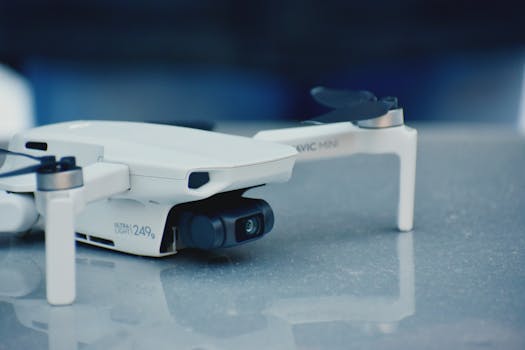 Photo: Diana ✨ / Pexels
Once you've grasped the legal landscape, the exciting part begins: choosing the right drone when you buy drone Switzerland online. The market is saturated with options, each designed for specific purposes, and understanding these differences is key to making a wise investment. Your ideal drone will depend heavily on your intended use, budget, and desired features.
For beginners and casual hobbyists, mini-drones under 250 grams are an excellent starting point. Brands like DJI with their Mini series (e.g., DJI Mini 3 Pro, Mini 4 Pro) dominate this category. These drones are incredibly portable, easy to fly, and often come with high-quality cameras despite their small size. Their primary advantage in Switzerland is their reduced regulatory burden; they typically only require operator registration if they have a camera, and no theoretical exam is needed for basic operations in the Open A1 subcategory. This makes them ideal for capturing stunning landscapes without the complexity of more advanced certifications. They are perfect for travel, quick aerial shots of family gatherings, or simply learning the ropes of drone piloting.
If aerial photography and videography are your main goals, you'll want to look at drones with more advanced camera capabilities, longer flight times, and enhanced stability. Mid-range drones like the DJI Mavic Air series or Autel Robotics Lite series offer 4K or even 5.4K video recording, larger sensors for better low-light performance, and intelligent flight modes such as ActiveTrack or hyperlapse. These drones often fall into the 250g to 900g weight class, meaning they will require operator registration and the A1/A3 theoretical certificate. Their increased range and wind resistance make them suitable for more professional-looking content, whether you're filming the Swiss Alps or capturing real estate properties.
For professional use, such as surveying, cinematography, or industrial inspections, high-end drones like the DJI Mavic 3 series, Inspire series, or enterprise-grade drones from other manufacturers are necessary. These drones boast interchangeable lenses, advanced obstacle avoidance systems, RTK/PPK modules for precise mapping, and often dual-operator controls. They typically exceed 900 grams and fall into the Open A2 or Specific categories, requiring more extensive certifications (A2 theoretical certificate, or even an operational authorization from BAZL for Specific category operations). While the initial investment is higher, their capabilities justify the cost for commercial applications where precision, reliability, and superior image quality are paramount.
Consider also factors like battery life, which directly impacts flight time. Most consumer drones offer 20-30 minutes of flight time, so purchasing extra batteries is often a smart move. Obstacle avoidance sensors are crucial for preventing crashes, especially for beginners. GPS stability is another important feature, ensuring the drone holds its position accurately, even in light winds. Finally, don't overlook the ecosystem of accessories, from protective cases and landing pads to ND filters for better camera control in bright conditions. Evaluating these features against your specific needs and budget will guide you to the perfect drone to buy drone Switzerland online and start your aerial adventures.
Where to Buy Drone Switzerland Online: Top Retailers and Considerations
 Photo: Ivan S / Pexels
Once you've identified the type of drone that best suits your needs and are well-versed in Swiss regulations, the next step is to pinpoint the best places to buy drone Switzerland online. The digital marketplace offers a plethora of options, ranging from international giants to specialized local vendors, each with its own advantages. Making an informed decision here can save you money, ensure product authenticity, and provide peace of mind regarding warranty and after-sales support.
International e-commerce platforms like Amazon, eBay, and directly from manufacturers such as DJI's official website are popular choices. These platforms often boast competitive pricing, a vast selection of models and accessories, and frequent sales. However, when purchasing from international sites, it's crucial to be mindful of potential import duties and VAT (Mehrwertsteuer) that will be applied upon entry into Switzerland. While some retailers include these costs upfront, others may leave them to be paid by the customer upon delivery, which can significantly increase the final price. Always check the shipping and customs policy before finalizing your purchase. Delivery times can also vary, and international returns might be more complex or costly. Despite these considerations, the sheer variety and often attractive base prices make them a viable option for many.
Alternatively, several reputable Swiss online retailers specialize in drones and related technology. Stores like Digitec Galaxus, Microspot, and specialized drone shops such as Drone.ch or Droneparts.ch offer localized advantages. Purchasing from a Swiss-based retailer means you generally won't encounter unexpected import duties, as VAT is usually included in the listed price. Shipping is often faster and more reliable within Switzerland, and returns or warranty claims are typically easier to process under Swiss consumer protection laws. These retailers also tend to have customer service representatives who speak local languages (German, French, Italian) and are familiar with Swiss regulations, which can be invaluable for support. While their prices might sometimes be slightly higher than international counterparts, the added convenience, speed, and peace of mind often justify the difference.
When evaluating online retailers, beyond price, consider their reputation, customer reviews, and warranty policies. A good retailer will offer a clear return policy, reliable customer support, and honor manufacturer warranties. Look for sites that provide detailed product descriptions, specifications, and customer testimonials. Some retailers also offer bundles that include extra batteries, cases, or propellers, which can be more cost-effective than buying accessories separately. Additionally, check if they provide any local services, such as drone repair or pilot training, which could be beneficial down the line. By carefully weighing these factors, you can confidently buy drone Switzerland online from a trusted source, ensuring a smooth purchasing experience and reliable product support. For those interested in the broader
tech industry trends, it's worth noting how drone sales are influenced by global supply chains.
Essential Tips and Common Mistakes to Avoid When Buying and Flying Drones in Switzerland
 Photo: cottonbro studio / Pexels
Embarking on your drone journey in Switzerland is exciting, but a few key tips can enhance your experience, while avoiding common pitfalls can save you time, money, and legal trouble. When you buy drone Switzerland online, remember that the purchase is just the first step.
**Tips for a Smooth Drone Experience:**
* **Start Small and Simple:** Especially if you're a beginner, opt for a less expensive, easy-to-fly model (under 250g) to learn the basics without fear of a costly crash. You can always upgrade later.
* **Invest in Extra Batteries:** Drone flight times are limited. Having two or three extra batteries will significantly extend your flying sessions and enjoyment.
* **Get a Good Case:** Protect your investment. A sturdy carrying case will shield your drone from bumps, drops, and weather during transport.
* **Practice in Open Areas:** Find large, open fields away from people, buildings, and obstacles for your initial flights. This minimizes risks and allows you to get comfortable with controls.
* **Master the Basics:** Before attempting complex maneuvers, learn how to take off, hover, land, and fly in different directions smoothly.
* **Stay Updated on Regulations:** BAZL regulations can evolve. Regularly check the official BAZL website for any updates to ensure continuous compliance.
* **Join a Drone Community:** Swiss drone clubs or online forums can provide invaluable local advice, tips, and opportunities to fly with experienced pilots.
* **Consider Insurance:** While not always mandatory for hobbyists, liability insurance specifically for drones can protect you in case of an accident involving property damage or injury.
* **Pre-Flight Checklist:** Always perform a visual inspection, check battery levels (drone and controller), ensure propellers are clear, and confirm GPS lock before every flight.
**Common Mistakes to Avoid:**
* **Ignoring BAZL Regulations:** This is the biggest mistake. Flying unregistered or without the necessary certificates, or in restricted zones, can lead to severe penalties.
* **Flying Too Close to People/Animals:** Always maintain a safe distance. Respect privacy and avoid disturbing wildlife.
* **Flying Beyond Visual Line of Sight (BVLOS):** For hobbyists in the Open category, drones must always be kept within your direct line of sight. Relying solely on the screen can lead to disorientation and accidents.
* **Flying in Bad Weather:** Wind, rain, snow, or fog can quickly destabilize a drone, leading to loss of control or damage. Check forecasts before flying.
* **Neglecting Firmware Updates:** Manufacturers regularly release firmware updates that improve performance, add features, and fix bugs. Keep your drone and controller updated.
* **Charging Batteries Improperly:** Use only manufacturer-approved chargers and follow safety guidelines to prevent battery damage or fire hazards.
* **Forgetting ND Filters for Photography:** For aerial photography, ND (Neutral Density) filters are essential in bright conditions to achieve proper exposure and cinematic motion blur.
* **Not Calibrating the Compass:** Calibrate your drone's compass before each flight or whenever you change locations significantly. This ensures accurate navigation.
* **Panicking During Malfunctions:** If your drone behaves unexpectedly, try to remain calm. Understand your drone's return-to-home (RTH) function and how to activate it safely.
By following these tips and actively avoiding common mistakes, your journey into the world of drones in Switzerland will be far more rewarding and trouble-free. Happy flying!
