The Best Smart Home Devices Switzerland: Your Ultimate Guide
best smart home devices Switzerland

The Best Smart Home Devices Switzerland: Your Ultimate Guide

Transform your Swiss home into a futuristic, efficient, and secure sanctuary with our top smart device recommendations.

Explore Smart Living

Key Takeaways

  • ✓ Switzerland's smart home market is growing, driven by energy efficiency and convenience.
  • ✓ Data privacy and security are paramount concerns for Swiss consumers when choosing devices.
  • ✓ Compatibility with local infrastructure (e.g., power outlets, internet providers) is crucial.
  • ✓ Integration with existing systems and future scalability are key considerations for investment.

How It Works

1
Define Your Needs

Identify which aspects of your home you want to automate or enhance, such as lighting, security, heating, or entertainment. This initial assessment helps tailor your smart home strategy.

2
Choose Your Ecosystem

Select a primary smart home platform (e.g., Apple HomeKit, Google Home, Amazon Alexa) that will serve as the central hub. Ensure chosen devices are compatible with your preferred ecosystem for seamless integration.

3
Select Devices Wisely

Research and purchase devices that meet your needs, are compatible with your ecosystem, and comply with Swiss standards. Prioritize reliability, security features, and ease of use.

4
Install and Integrate

Follow manufacturer instructions for installation and connect your new devices to your chosen smart home hub. Configure automations and routines to maximize convenience and efficiency.

Understanding the Swiss Smart Home Landscape
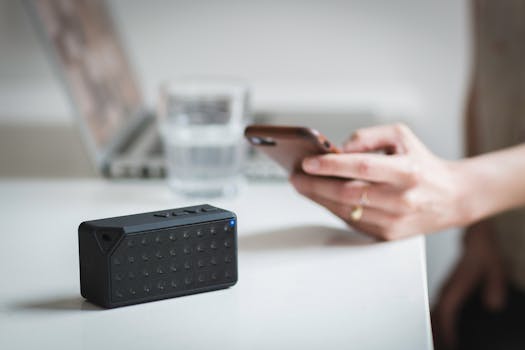
Person connecting a smartphone to a wireless speaker indoors, foreground focus. Photo: Burst / Pexels
Switzerland, with its high quality of life and embrace of innovation, is a fertile ground for smart home technology. However, navigating the market for the best smart home devices in Switzerland requires a nuanced understanding of local preferences, regulations, and infrastructure. Unlike some larger markets, Swiss consumers often prioritize reliability, energy efficiency, and robust data security, reflecting national values. The typical Swiss dwelling, whether an apartment in Zurich or a chalet in the Alps, can greatly benefit from smart solutions that enhance comfort, safety, and sustainability. For instance, smart thermostats are particularly popular given the country's varied climate, allowing residents to optimize heating and cooling while minimizing energy consumption – a significant concern in a country known for its environmental consciousness. Furthermore, with a strong focus on privacy, devices that offer local data processing or transparent data handling policies often resonate better with Swiss users. The widespread availability of high-speed internet across even remote areas of Switzerland means that connectivity, a cornerstone of any smart home, is rarely an issue. However, ensuring that devices comply with European data protection regulations (like GDPR, which influences Swiss data practices) and local electrical standards is crucial. When selecting the best smart home devices in Switzerland, consider products from reputable brands that have established support networks within the DACH region. This not only guarantees easier access to customer service and warranties but also ensures that firmware updates and app functionalities are tailored to regional specifics. Integration with popular local services or languages (German, French, Italian) can also significantly enhance the user experience. The market isn't just about individual gadgets; it's about creating a cohesive ecosystem. Therefore, thinking about how different devices will communicate and operate together under a central hub is more important than ever. Whether you're looking to automate your lighting, enhance your security, or simply make daily tasks more convenient, the Swiss market offers a plethora of sophisticated options. The key is to choose wisely, focusing on long-term value, interoperability, and adherence to Swiss standards. For more insights on general tech trends, check out our tech insights page.

Top Categories for Smart Home Devices in Switzerland
Close-up of a futuristic toy robot with blue eyes, showcasing modern technology indoors. Photo: Pavel Danilyuk / Pexels
When curating the best smart home devices in Switzerland, certain categories consistently rise to the top due to their practical benefits and alignment with Swiss consumer demands. **1. Smart Lighting:** Beyond just convenience, smart lighting systems like Philips Hue or IKEA Home smart offer significant energy savings. In a country where electricity costs can be a consideration, being able to precisely control brightness, color temperature, and schedules can lead to noticeable reductions in consumption. These systems also enhance ambiance and security, simulating occupancy when you're away. Compatibility with voice assistants and easy installation make them a popular entry point into smart home technology for many Swiss households. **2. Climate Control and Energy Management:** Given Switzerland's distinct seasons, smart thermostats are indispensable. Devices such as Tado° or Netatmo Smart Thermostat learn your habits, adjust temperatures based on occupancy, and can be controlled remotely. This not only ensures optimal comfort but also drives down heating bills. Many Swiss homes are well-insulated, making precise climate control even more effective. Integration with weather forecasts further refines their efficiency, pre-heating or cooling based on anticipated conditions. Beyond thermostats, smart plugs can turn any 'dumb' appliance into a smart one, allowing for remote control and energy monitoring, which is highly valued in an environmentally conscious nation. **3. Home Security and Surveillance:** Safety is a paramount concern for Swiss residents, and smart security systems offer peace of mind. Ring, Arlo, and Eufy provide robust solutions ranging from video doorbells to outdoor security cameras and motion sensors. These devices offer real-time alerts, two-way audio, and cloud storage options (with considerations for data residency). Given the strong privacy laws in Switzerland, it's crucial to select systems that offer clear data encryption and storage policies. Many systems are designed for DIY installation, but professional installation services are also readily available for those who prefer it, ensuring optimal placement and configuration. **4. Smart Appliances and Entertainment:** While perhaps less critical than security or climate, smart appliances are gaining traction. Robot vacuums like those from Roomba or Roborock efficiently maintain cleanliness, a boon for busy Swiss households. Smart TVs, soundbars, and streaming devices (e.g., Apple TV, Google Chromecast) seamlessly integrate with broader smart home ecosystems, offering voice control and unified entertainment experiences. For high-end homes, integrated multi-room audio systems from brands like Sonos are a popular choice, delivering pristine sound throughout the residence. The key here is not just automation, but also the integration into a larger, coherent system that simplifies daily life and enhances leisure activities.

Key Considerations for Swiss Smart Home Buyers

Embarking on the journey to build a smart home in Switzerland requires careful consideration of several factors unique to the region. Understanding these aspects will help you make informed decisions and ensure your investment truly enhances your living experience. **1. Data Privacy and Security:** Switzerland has some of the strongest data protection laws globally, and its citizens are highly aware of privacy concerns. When choosing smart home devices, scrutinize their data handling policies. Look for companies that explicitly state where data is stored (preferably within Switzerland or the EU), how it's encrypted, and who has access to it. Devices offering local processing capabilities, where data doesn't leave your home network, are often preferred. Two-factor authentication (2FA) for app access, robust password requirements, and regular security updates are non-negotiable features for any reputable smart device. Neglecting these aspects could not only compromise your personal data but also your home's security. This is particularly vital for devices like smart cameras and doorbells, which capture sensitive visual and audio information. Always read the privacy policy before committing to a purchase. **2. Compatibility and Ecosystem Integration:** The fragmented nature of the smart home market means not all devices play well together. Before purchasing, decide on a central ecosystem – be it Apple HomeKit, Google Home, Amazon Alexa, or a more open standard like Zigbee or Z-Wave. Ensure that all prospective devices are compatible with your chosen hub. This avoids having multiple apps for different devices and allows for seamless automation and voice control. For example, if you're an Apple user, HomeKit-compatible devices offer deep integration with your iPhone and Siri. If you prefer Google Assistant, ensure devices carry the 'Works with Google Assistant' badge. A unified ecosystem simplifies management, enhances functionality, and future-proofs your setup. Consider devices that support open standards, as they often offer greater flexibility and longevity, allowing you to mix and match brands more effectively. **3. Installation and Professional Support:** While many smart home devices are designed for DIY installation, some, particularly for heating or advanced security systems, might require professional help. In Switzerland, finding qualified electricians or installers who are knowledgeable about smart home technology is crucial. Ensure they are certified and understand local building codes and electrical standards. Furthermore, evaluate the availability of local customer support and warranty services. A product might be great, but if troubleshooting assistance or replacement parts are only available from a distant country with long lead times, it diminishes its appeal. Local presence, either directly from the manufacturer or through authorized resellers, provides peace of mind. For complex installations or when dealing with integrated whole-home systems, professional consultation can save time and prevent costly errors. Exploring local tech support options can be very beneficial.

Avoiding Common Smart Home Pitfalls in Switzerland

Adopting smart home technology can be incredibly rewarding, but it's not without its challenges. Being aware of common pitfalls can save you time, money, and frustration, especially when setting up the best smart home devices in Switzerland. **1. Over-Complicating Your Setup:** The allure of endless gadgets can lead to an overly complex system that's difficult to manage. Start small, identify your core needs (e.g., lighting, security, heating), and expand gradually. A common mistake is buying every 'smart' version of an appliance without considering its actual benefit or integration. Simplicity often leads to greater reliability and a more enjoyable user experience. Ask yourself if a smart feature genuinely adds value or if it's just a gimmick. **2. Ignoring Wi-Fi Network Strength:** Smart devices rely heavily on a stable and robust Wi-Fi network. In larger Swiss homes or those with thick walls, dead zones can cripple your smart home's performance. Invest in a good mesh Wi-Fi system to ensure consistent coverage throughout your property. A weak signal can lead to devices disconnecting, slow response times, and general frustration. Test your Wi-Fi strength in all areas where you plan to install devices before purchasing. **3. Neglecting Firmware Updates:** Manufacturers regularly release firmware updates to improve performance, add features, and, critically, patch security vulnerabilities. Failing to keep your devices updated can leave your smart home exposed to security risks. Make it a habit to check for and apply updates regularly. Many devices offer automatic updates, which is a feature worth prioritizing. **4. Overlooking Power Consumption:** While many smart devices are designed to be energy-efficient, having dozens of always-on gadgets can still add up. Use smart plugs with energy monitoring capabilities to track consumption and identify power-hungry devices. Opt for devices that use low-power wireless protocols like Zigbee or Z-Wave where appropriate, especially for battery-powered sensors. **5. Poor Placement of Sensors and Cameras:** The effectiveness of smart security cameras, motion sensors, and door/window sensors hinges on their correct placement. A camera facing a window might capture glare, and a motion sensor placed too high might miss smaller movements. Consult manufacturer guidelines and consider the specific layout of your Swiss home to optimize placement for maximum effectiveness and minimal false alarms. **6. Forgetting About Local Support and Warranties:** While online deals can be tempting, remember that warranty claims or technical support for international purchases can be complicated in Switzerland. Prioritize devices sold by reputable retailers within Switzerland or the EU, ensuring easier access to customer service and adherence to local consumer protection laws. This can be a lifesaver if you encounter issues down the line.

Comparison

FeaturePhilips Hue (Lighting)Tado° (Climate Control)Ring (Security Camera)Sonos (Audio)
Ecosystem CompatibilityHomeKit, Google, AlexaHomeKit, Google, AlexaAlexa, GoogleAlexa, Google, HomeKit (via AirPlay 2)
Primary FunctionSmart LightingSmart ThermostatVideo SurveillanceMulti-Room Audio
Swiss Market PresenceHighHighMedium-HighHigh
Energy Efficiency Focus
Data PrivacyGoodGoodModerate (Cloud)Good
Typical Price Range (CHF)50-500+150-300+100-250+200-800+

What Readers Say

"Finding the best smart home devices in Switzerland was daunting, but this guide helped me choose a seamless Philips Hue setup. The energy savings on my electricity bill are already noticeable, and the ambiance is perfect."

Marc S. · Zurich, ZH

"We installed a Tado° system based on these recommendations, and our heating is now perfectly optimized. It's truly one of the best smart home devices in Switzerland for climate control, especially with our varying weather."

Sophie L. · Geneva, GE

"Our Ring doorbell gives us incredible peace of mind. Knowing we can monitor our front door from anywhere, even in the Swiss Alps, makes it a top contender for best smart home devices in Switzerland for security."

David K. · Bern, BE

"The Sonos system is fantastic for music throughout the house, though getting all the speakers perfectly synced took a bit of tweaking. Still, it delivers an amazing audio experience for a smart home in Switzerland."

Elena R. · Lausanne, VD

"As a tech enthusiast, I appreciate the focus on data privacy in this guide. It helped me select smart plugs and sensors that respect Swiss data protection, making my automated home both convenient and secure."

Thomas M. · Basel, BS

Frequently Asked Questions

What are the most popular smart home devices in Switzerland?

In Switzerland, smart thermostats (like Tado° or Netatmo), smart lighting (Philips Hue), and security cameras (Ring, Arlo) are among the most popular. These devices offer tangible benefits in energy efficiency, comfort, and security, aligning well with Swiss consumer priorities.

Is data privacy a major concern for smart home devices in Switzerland?

Yes, data privacy is a significant concern for Swiss consumers. It's crucial to choose devices from reputable brands with transparent data handling policies, strong encryption, and ideally, local data storage or processing options to comply with strict Swiss and European data protection regulations.

How do I ensure my smart home devices are compatible with each other?

To ensure compatibility, select a primary smart home ecosystem (e.g., Apple HomeKit, Google Home, Amazon Alexa) and choose devices that are explicitly 'Works With' that platform. Alternatively, opt for devices supporting open standards like Zigbee or Z-Wave for broader interoperability across brands.

Are smart home devices expensive in Switzerland?

The cost of smart home devices in Switzerland varies widely depending on the brand, features, and complexity of the system. While some initial investments can be higher, many devices offer long-term savings through energy efficiency and increased home value, making them a worthwhile investment.

How do Swiss smart home devices compare to those in other European countries?

Swiss smart home devices are generally on par with those in other advanced European countries regarding technology and features. The main differences lie in stronger emphasis on data privacy, local language support, and adherence to specific Swiss electrical and building codes.

Who should consider investing in smart home devices in Switzerland?

Anyone looking to enhance their home's comfort, security, or energy efficiency should consider smart home devices. They are particularly beneficial for busy professionals, environmentally conscious individuals, and those seeking to future-proof their homes with modern technology.

What are the security risks associated with smart home devices?

Security risks include data breaches, unauthorized access, and network vulnerabilities. Mitigate these by choosing devices from trusted brands, using strong, unique passwords, enabling two-factor authentication, and regularly updating device firmware to patch known exploits.

What are the future trends for smart home technology in Switzerland?

Future trends in Swiss smart homes include increased integration with AI for personalized automation, greater focus on sustainable and energy-positive solutions, enhanced health monitoring features, and robust cybersecurity measures to protect sensitive user data.

Ready to transform your living space? Explore the best smart home devices in Switzerland and embark on your journey towards a smarter, more efficient, and secure home today. Discover how seamlessly technology can integrate into your Swiss lifestyle.

Topics: best smart home devices Switzerlandsmart home systems CHhome automation SwitzerlandSwiss smart home techconnected home devices
Leo List
Brampton weed
Adultwork